
popular-science
The Antibacterial Edge of Ancient Resins: How Mastic and Frankincense Strangle Helicobacter pylori
Facing stubborn Helicobacter pylori, the volatile oils extracted from the ancient natural resins Mastiche and Olibanum show astonishing bactericidal activity, bringing new dawn to breaking antibiotic resistance.

Helicobacter pylori (Hp), the phantom lurking in the stomachs of over half the global population, is the number one culprit behind gastritis, gastric ulcers, and even gastric cancer. As its resistance to traditional antibiotics grows stronger day by day, scientists have turned their radars searching for antidotes to ancient natural resins—Mastiche (Mastic) and Olibanum (Frankincense). These two were used not only as mysterious spices in ancient times but also as holy medicines for healing wounds.
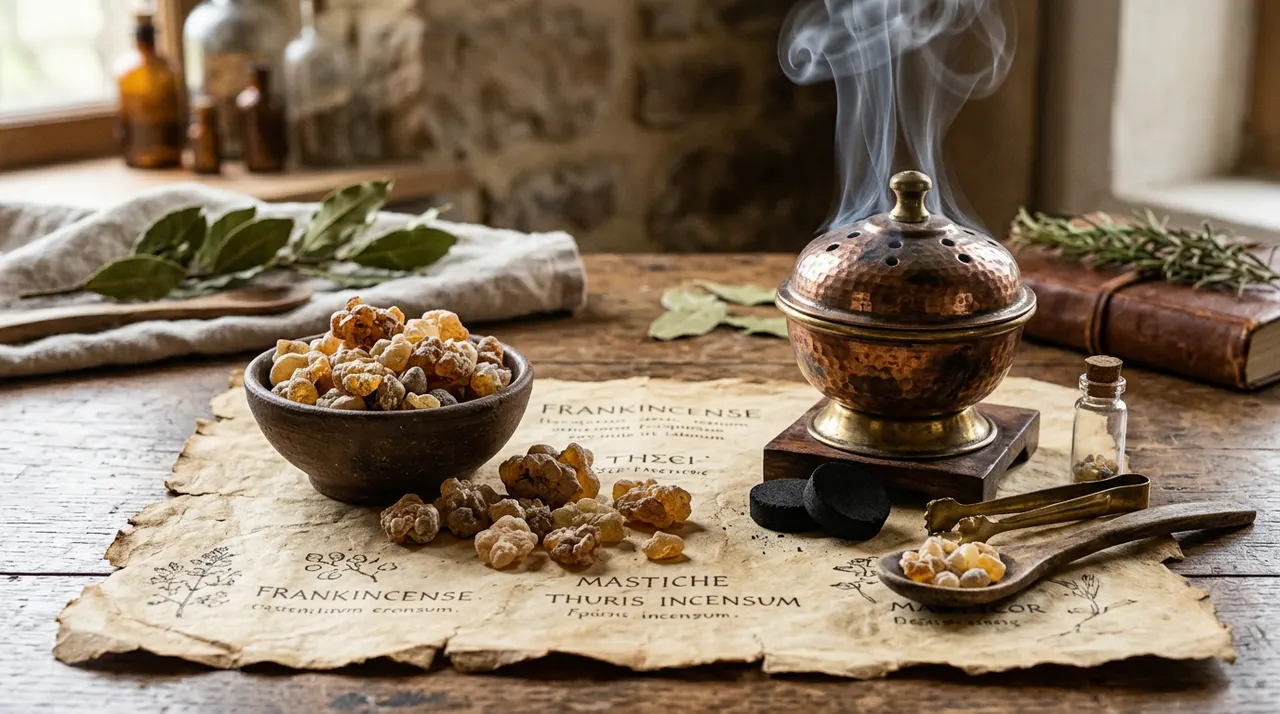
Although they both have "frankincense/mastic" in their common names and are both plant resins flowing with a golden luster, their chemical souls are completely different. Through in-depth analysis via GC-MS technology, scientists discovered that the volatile oil of Mastiche is mainly dominated by the monoterpene α-pinene, while Olibanum is centered around aliphatic compounds like octyl acetate. These two different chemical compositions endow them with uniquely sharp bactericidal edges.
In the microscopic laboratory fighting against Helicobacter pylori, both of these volatile oils exhibited astonishing combat power. Like invisible swords, they can directly penetrate the tough defensive shell of Helicobacter pylori, delivering a fatal blow. Experiments show that the volatile oils of Mastiche and Olibanum show highly sensitive antibacterial activity against Helicobacter pylori even at extremely low concentrations.
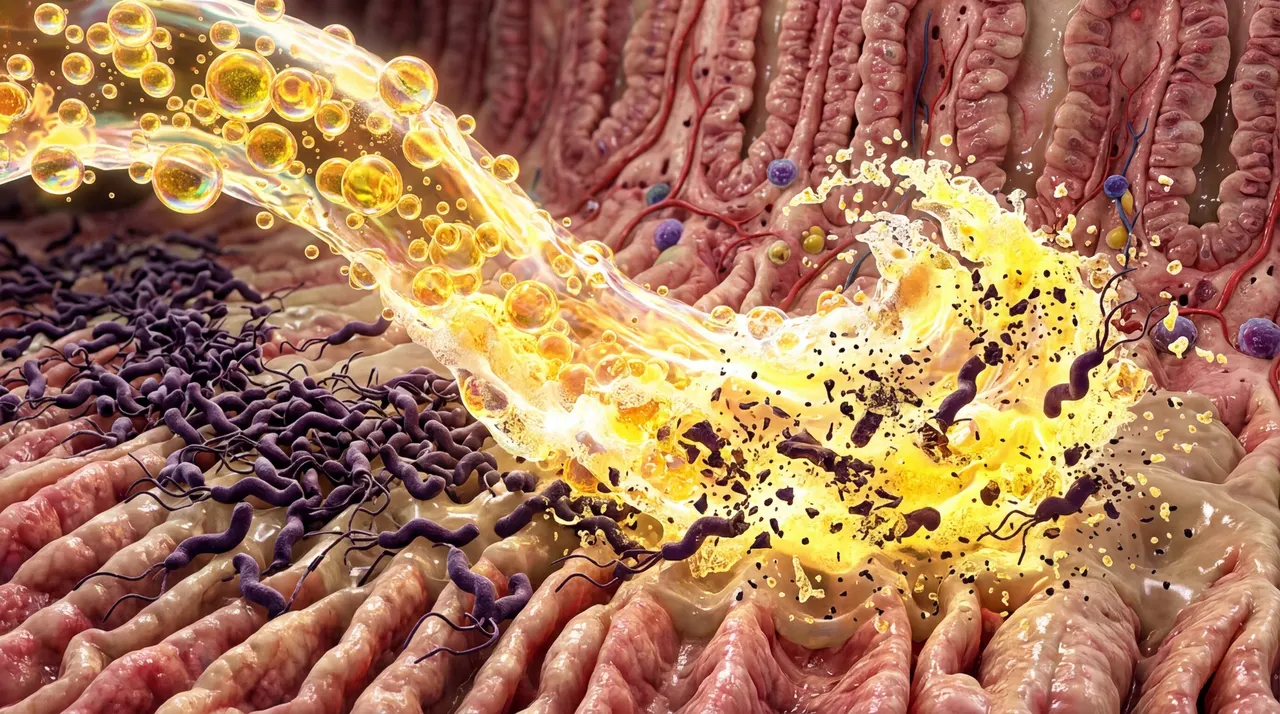
These natural volatile oils derived from ancient resins not only provide a completely new idea for breaking the deadlock of Helicobacter pylori's drug resistance but also inject a strong stimulant into the development of natural, safe new anti-Hp drugs. Nature, the greatest pharmacist, is guarding our stomach health with her aromatic tears accumulated over thousands of years.
Reference PDF for study; cite the published version.