
popular-science
Not Just Pizza Spice! The Deeply Buried Roots of Oregano Actually Hide an Antioxidant Treasure Trove
Oregano leaves are globally famous antibacterial spices. But scientists exceptionally extracted essential oils from its "underground roots," discovering massive amounts of highly antioxidant fatty acids, subverting traditional understanding.

As long as you've eaten Italian pizza, you must have tasted Oregano. The above-ground parts (stems and leaves) of this plant contain large amounts of thymol and carvacrol, which not only smell wonderful but also have incredibly strong bactericidal abilities, known as "natural antibiotics."
But have you ever wondered what secrets are hidden in the roots of this magical plant deeply buried underground? For a long time, pharmacologists and chefs have only focused on its leaves, turning a blind eye to its roots.
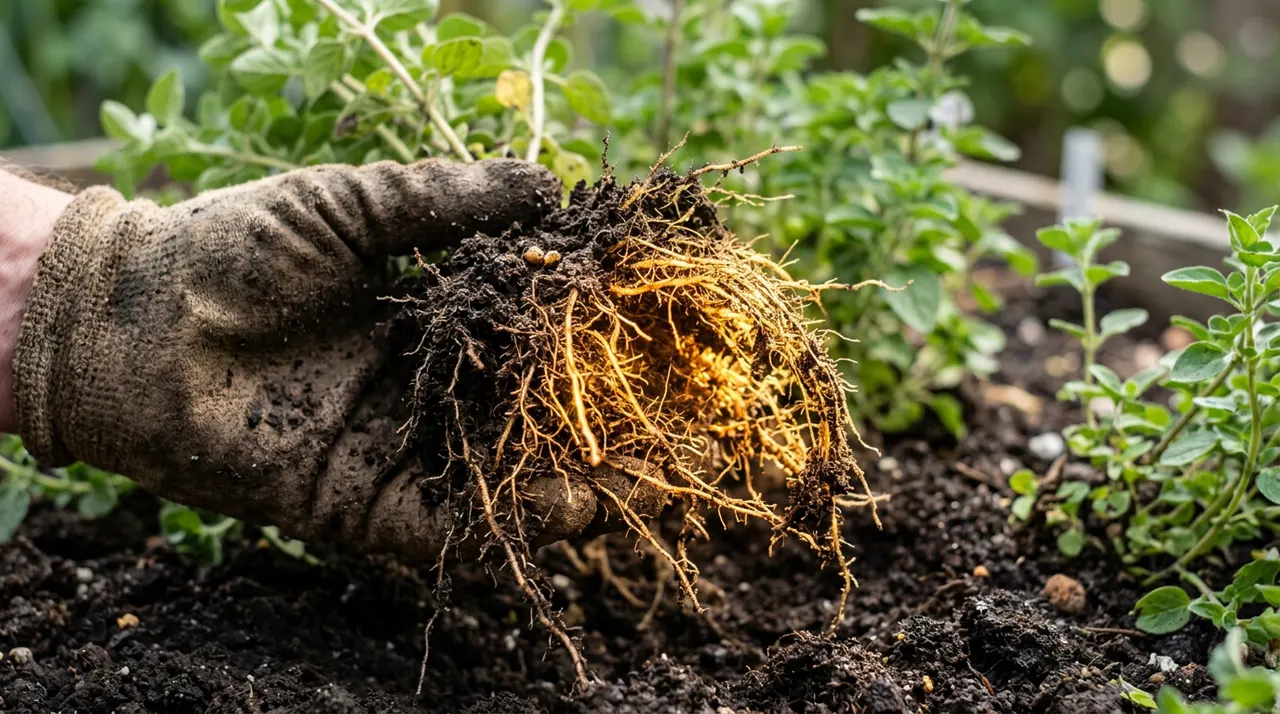
A Molecular Expedition Deep Underground
To fill this gap, the research team did something unconventional: they dug up the underground part (roots) of oregano, washed them, and extracted the extremely rare root volatile oil using hydrodistillation.
Subsequently, they utilized GC-MS (Gas Chromatography-Mass Spectrometry) to conduct a deep analysis of this mysterious liquid from underground. The results were eye-opening: from the oregano root volatile oil, a total of 29 compounds were identified, accounting for 98.97% of the total. More importantly, 10 of these components were discovered in oregano for the very first time!
The Antioxidant Shield of Fatty Acids
Scientists compared the component lists of oregano's above-ground leaves and underground roots and found an extremely interesting phenomenon.
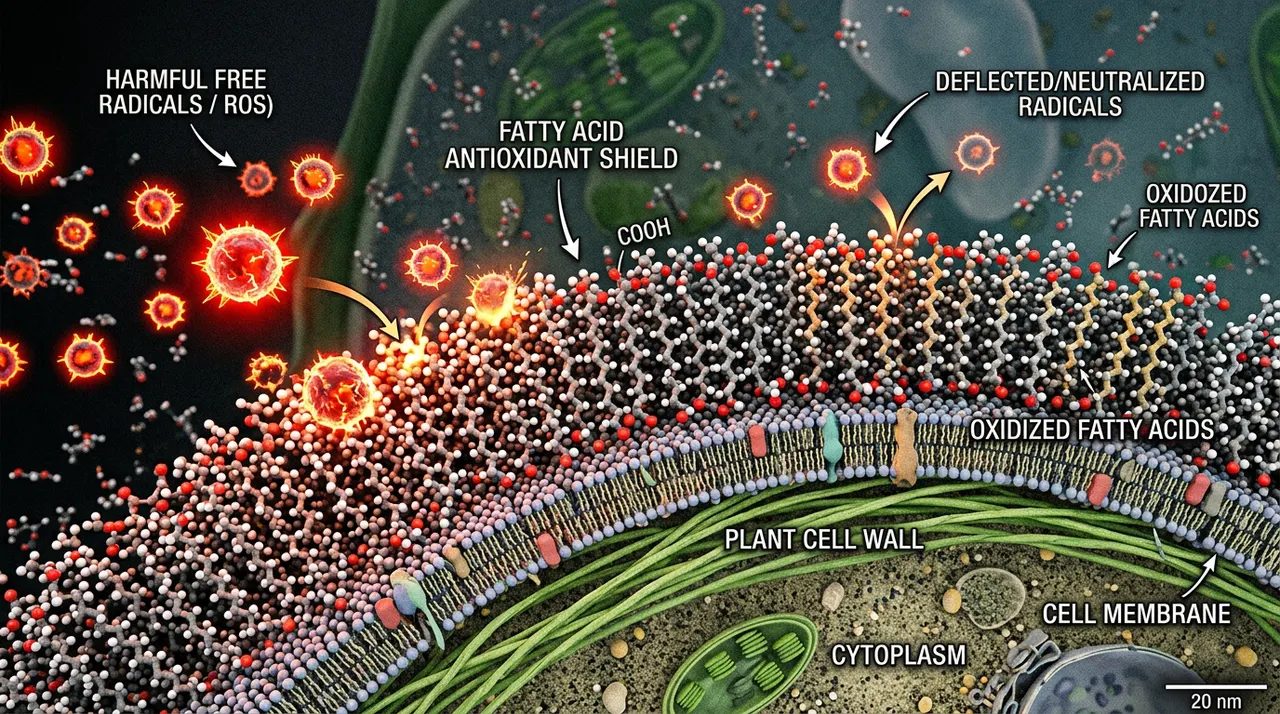
Although the root essential oil also contains a certain amount of bactericidal components, its biggest feature is that it contains an extremely large amount of fatty acid compounds (such as palmitic acid, linoleic acid, etc.). In botany, such high concentrations of fatty acids often endow plants with extremely strong antioxidant capacities.
They act like microscopic shields, able to extremely effectively scavenge free radicals in the body, protecting cells from oxidative damage and aging.
Redefining Whole-Plant Herbs
This research not only provides the botany community with the first authoritative data on oregano root volatile oil but also corrects the long-standing resource waste of "only using leaves, not roots."
Since the underground part of oregano contains such abundant antioxidant substances, future health product and pharmaceutical companies can fully develop the whole plant. The above-ground part is used to extract bactericidal and anti-inflammatory essential oils, while the underground part is used to extract anti-aging and antioxidant active substances. This small pizza herb is covered entirely in priceless treasures.
Reference PDF for study; cite the published version.