
popular-science
The Antipyretic Code Shaken by Sound Waves: How Ultrasound Technology Perfectly Extracts Bupleurum Volatile Oil?
Bupleurum is a core TCM herb for reducing fever and relieving the exterior. Scientists used response surface methodology and ultrasound technology to find the perfect formula for extracting its volatile oil, fully unleashing its antipyretic potential.

When suffering from a cold or fever, many people have taken "Bupleurum Oral Liquid." The reason Bupleurum (Bupleurum chinense) has become a TCM ace for "dispersing pathogens and reducing fever" is largely due to the volatile oil hidden in its roots.
However, Bupleurum roots are hard, and traditional boiling water decoction struggles to completely extract the volatile oil within. Moreover, prolonged high temperatures easily cause the loss of efficacy components. To obtain this "antipyretic code" more efficiently and completely, modern researchers introduced a powerful tool from physics: Ultrasound.

Response Surface Methodology: Finding the Perfect Extraction Formula
Ultrasound extraction is not just randomly vibrating it with an instrument. The solid-liquid ratio, temperature, and ultrasound time—every tiny variable affects the final oil yield.
To stop testing repeatedly like blind men feeling an elephant, scientists used a powerful mathematical statistical tool: Response Surface Methodology (Box-Behnken). This is like using a computer to build a 3D model, predicting the "perfect coordinates" to maximize the extraction rate through dozens of precise test data points.
Ultimately, the computer provided the optimal process formula: solid-liquid ratio 1:16, extraction temperature 51°C, ultrasound time 26 minutes. Under these extremely precise conditions, the yield of Bupleurum volatile oil reached an astonishing 14.77%, matching the computer's theoretical prediction almost perfectly!
GC-MS Unveils 46 Components
What exactly is hidden in the essential oil extracted using this perfect process?
Gas Chromatography-Mass Spectrometry (GC-MS) provided the answer. In the extracted volatile oil, a total of 46 compounds were identified, accounting for 96.84% of the total components. The core backbone with the highest content were alicyclic hydrocarbons like methylcyclohexane and 1,2-dimethylcyclopentane.
These molecules not only give Bupleurum its special herbal scent, but due to their small molecular weight and high lipid solubility, they easily penetrate human cell barriers and enter the bloodstream, thereby exerting potent antipyretic, analgesic, and anti-inflammatory effects.
Modern Technology Empowers Traditional TCM
The perfect combination of ultrasound technology and response surface methodology demonstrates the rigor and efficiency of modern pharmaceutical engineering.
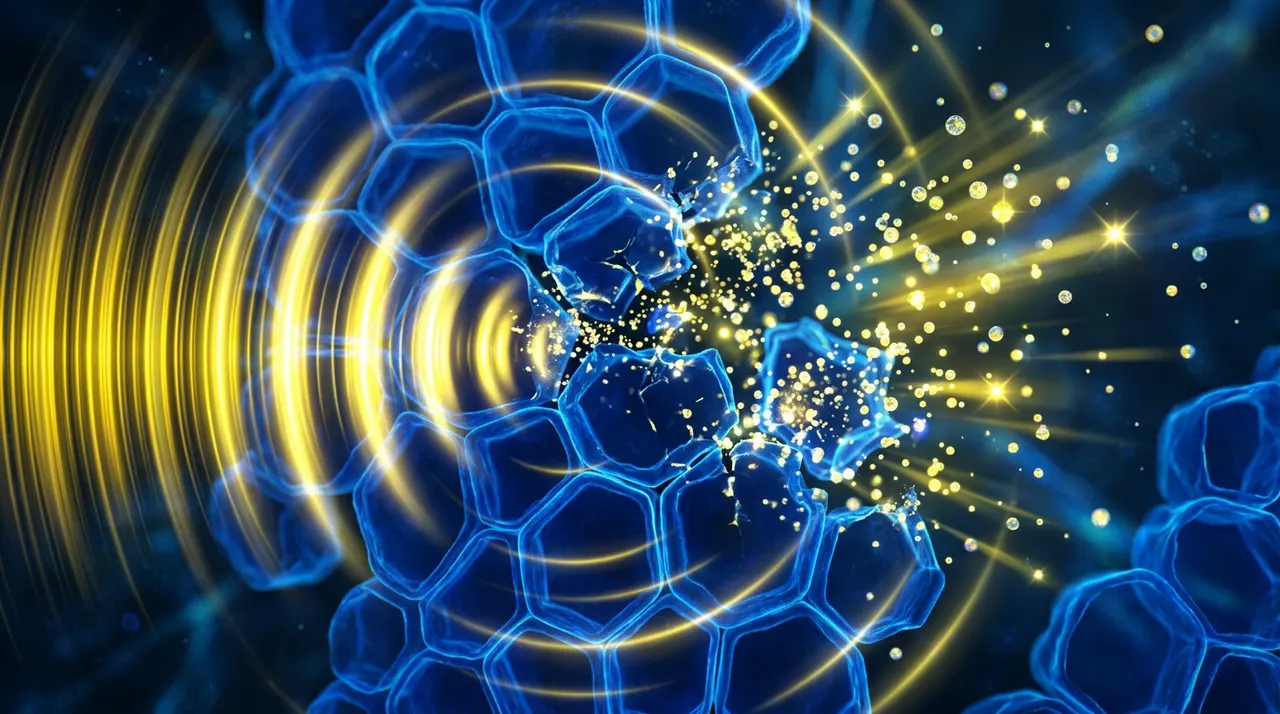
It proves that under mild conditions of around 50°C, ultrasound can instantly shatter the hard plant cell walls of Bupleurum through the "cavitation effect," allowing the deeply hidden efficacy components to pour out. This method not only greatly shortens production time and avoids high-temperature destruction of active ingredients but pushes the clinical medicinal value of Bupleurum to a new height.
Reference PDF for study; cite the published version.