
Science
When Emotions Catch a Severe Cold: How Aromatherapy Penetrates the Blood-Brain Barrier to Light Up the Heart
Depression is not just a low mood, but a chaos of chemical messengers in the brain. Plant essential oils, with their unique small molecule structure, are assisting in emotional reconstruction in a lighter way.

If we compare our emotions to the sky, then depression is like the sky catching a persistent "severe cold." It is not simply being "in a bad mood" or "not strong enough," but rather the brain's internal chemical messengers (like serotonin and dopamine) losing their vitality, and the HPA axis (hypothalamic-pituitary-adrenal) stress feedback system falling into chaos.
Faced with this deeply intertwined physiological and psychological dilemma, traditional antidepressants, while currently the main force, often come with pain points such as slow onset and significant side effects. While fighting the darkness, our bodies often bear a heavy toll. Is there a power that can quietly light up the heart in a lighter, less harmful way?

A comprehensive review in *Mini-Reviews in Medicinal Chemistry* details the immense potential of plant essential oils as a complementary therapy for depression. The study points out that the reason essential oils can show miraculous effects on emotional regulation is due to their unique physical properties—those lipophilic small-molecule compounds.
Our brain has an extremely strict protective shield called the "blood-brain barrier," which most drugs struggle to penetrate. However, the small molecules in essential oils can easily cross this barrier like ghosts with a pass, directly entering the central nervous system. Or, they simply take a shortcut through the olfactory nerves in the nasal cavity straight to the limbic system of the brain (the area responsible for managing emotions).
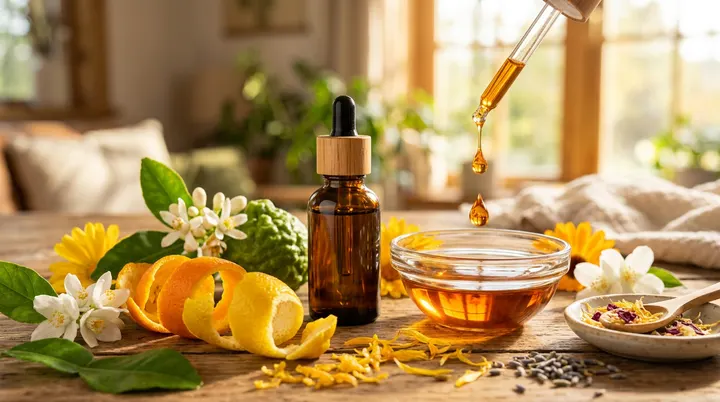
Once inside the brain, these aromatic molecules begin a precise internal restructuring. They not only prompt the brain to release more joy-bringing monoamine neurotransmitters (like 5-HT) but also effectively regulate the secretion of hyperactive stress hormones. They even promote the expression of Brain-Derived Neurotrophic Factor (BDNF)—meaning they help damaged neurons grow and reconnect.
Unlike the forceful biochemical intervention of traditional drugs, aromatherapy is more like a gentle gardener. It doesn't force the plants to grow but naturally revives vitality by improving the soil (the brain microenvironment).

We must remain clear that for moderate to severe depression, formal clinical medication and psychological intervention remain irreplaceable cornerstones. Essential oils are not magic and cannot instantly erase all trauma. But as a complementary therapy, it offers an extremely valuable emotional buffer without severe side effects during the long and arduous recovery period.
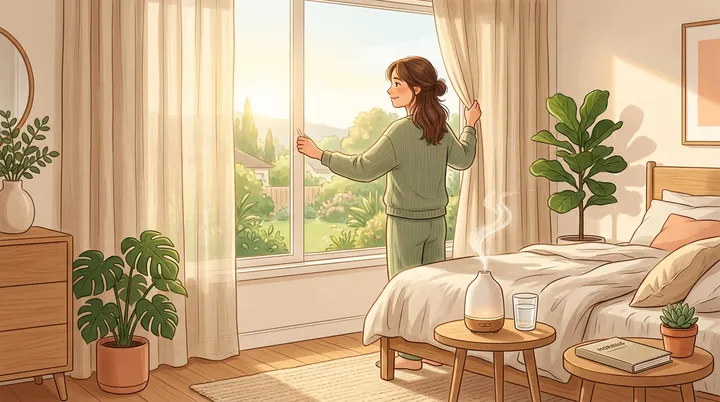
When the first ray of morning sunlight enters the room, accompanied by a faint citrus or woody scent from a diffuser, it is nature telling you in the most ancient language: take your time, we are here with you to walk out of these rainy days.
——
References & Literature
The core mechanisms discussed in this article are derived from: Liang X, Wang X, Zhao G, et al. *Research Progress of Essential Oil as a New Complementary Therapy in the Treatment of Depression* [J]. Mini-Reviews in Medicinal Chemistry, 2021, 21. (For specific pages and citations, please refer to the official publication).
Reference PDF for study; cite the published version.
*Note: This article is for science communication purposes, aiming to share new perspectives on complementary interventions for emotional health. It does not constitute clinical medical advice. If you are plagued by depressive moods, please be sure to seek help from a professional psychiatrist.*