
popular-science
The Transdermal Dance of Softness Overcoming Hardness: When Fierce Maqianzi Meets Gentle Baishao
Under the "guidance" of Baishao, the highly toxic Maqianzi not only successfully crosses the skin barrier, but its analgesic power also sheds its erratic nature, achieving a safe and steady sustained release.

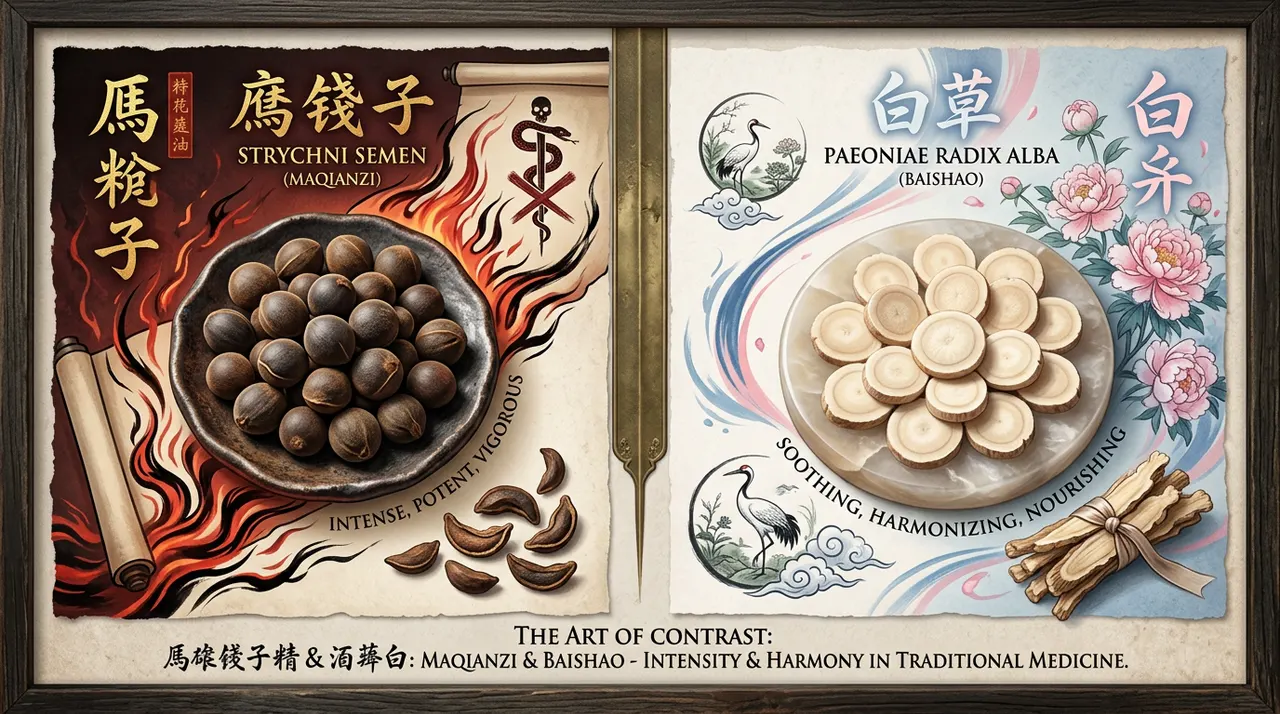
Strychni Semen (Maqianzi) is a famous "fierce general" in the TCM world. The brucine and strychnine it contains are sharp weapons for relieving pain and reducing swelling, but they are also highly dangerous toxic components. How to tame this wild horse so that it can exert its efficacy without easily harming people? The answer given by TCM is "compatibility"—pairing it with Paeoniae Radix Alba (Baishao), which has a mild nature and softens the liver to relieve pain. This "one tough, one gentle" combination is staging an exquisite microscopic duet under the microscope of modern transdermal drug delivery technology.
Transdermal delivery is an excellent way to avoid the oral toxicity of Maqianzi, but it is not easy for alkaloids like brucine to penetrate the dense skin barrier. Scientists found through precise in vitro skin permeation and in vivo pharmacokinetic experiments that when Maqianzi meets Baishao, a magical chemical reaction occurs. Baishao not only doesn't hold it back but, through its own components (like paeoniflorin), alters the permeation behavior of Maqianzi alkaloids in the skin.
Data clearly revealed this truth: after the combination of the two drugs, the speed at which brucine and strychnine entered the blood through the skin became smoother, their half-life in the body was significantly prolonged, and total bioavailability was improved. It's as if Baishao put a bridle on the wildly running horse of Maqianzi, removing its erratic "toxicity peaks," allowing its analgesic power to be released slowly in the body in a steady and lasting manner.
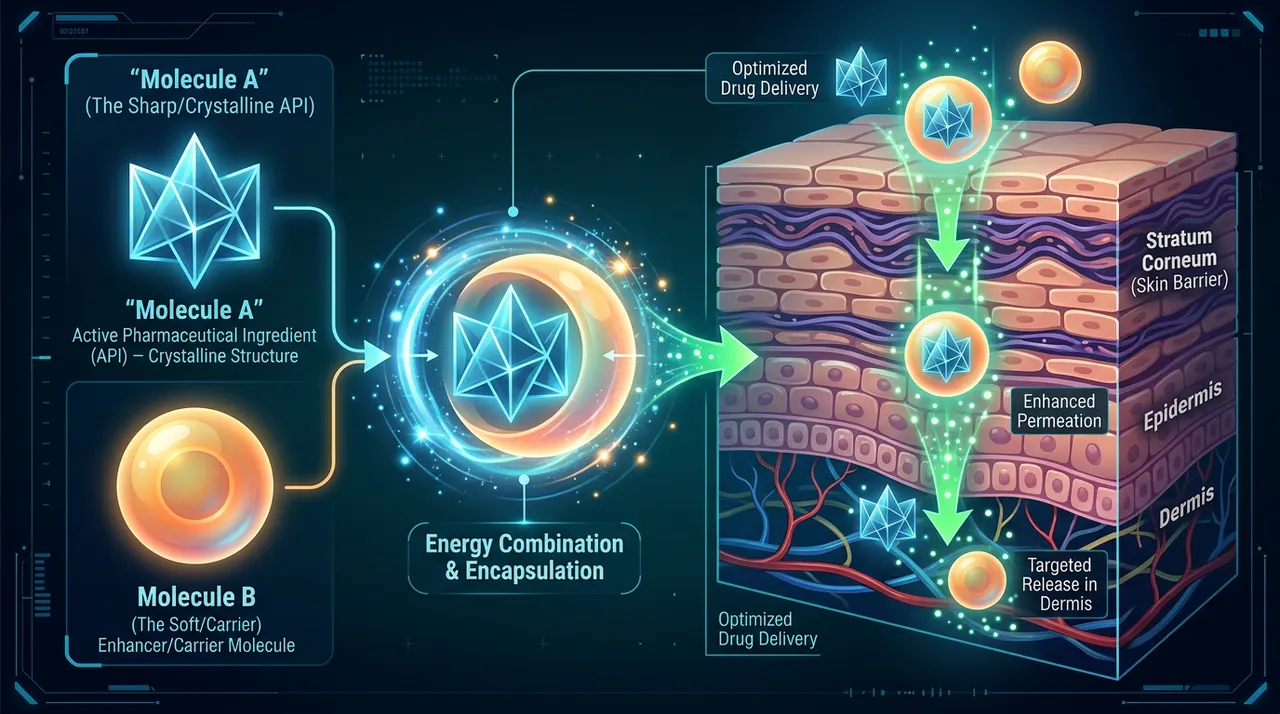
This "transdermal romance" between Maqianzi and Baishao perfectly illustrates the profound wisdom of TCM compatibility: "mutual restraint and mutual enhancement." It not only provides irrefutable data support for developing safer, long-acting topical analgesic patches but also lets us see the dazzling light of traditional medical philosophy blooming in modern pharmaceutical technology.
Reference PDF for study; cite the published version.