
popular-science
Capturing Nature's Breath: A Microscopic Fantasy Journey of Volatile Components
Volatile components not only endow plants with charming aromas but also, under the lens of modern technology, reveal their potent biological activities and healing power as natural medicines.

Close your eyes, take a deep breath. Have you ever been moved by the freshness of a forest after rain, or the crisp sweetness when peeling an orange? These invisible, intangible scents that instantly awaken the senses all stem from a group of magical chemical elves in nature—volatile components. They are not just nature's perfume, but a natural treasure trove of medicine brimming with immense vitality.

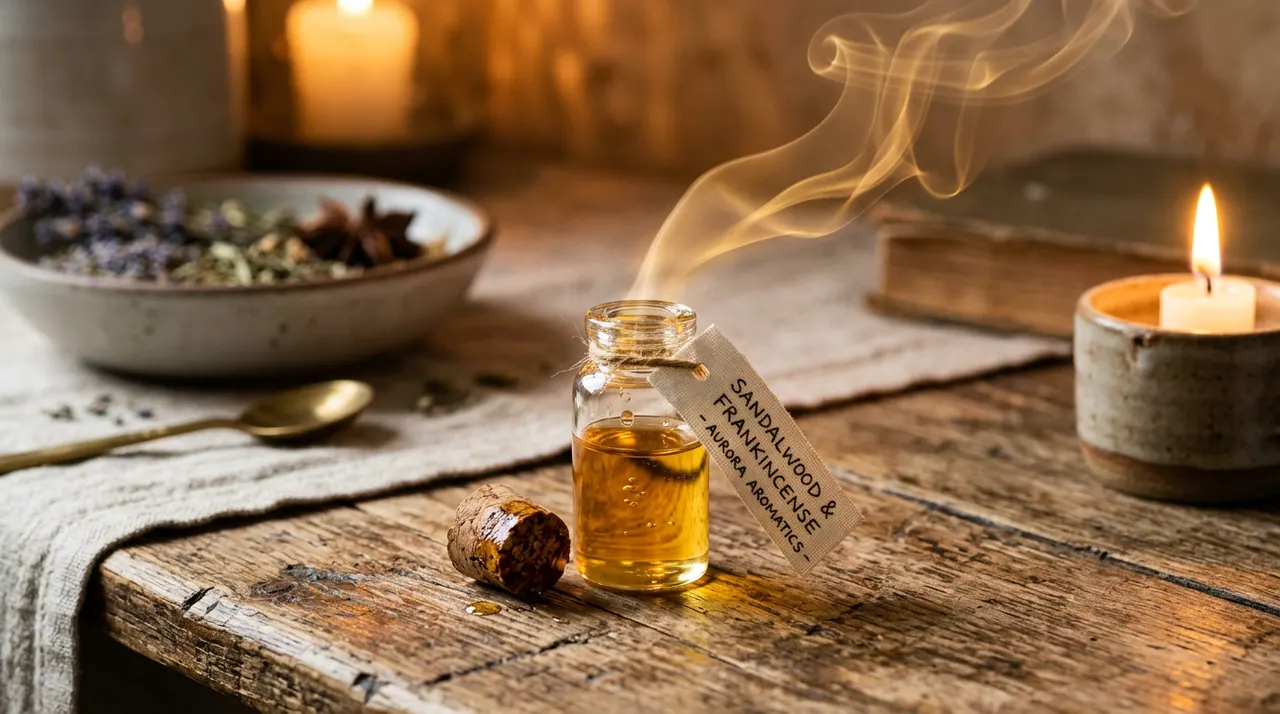
Volatile oils, also known as essential oils, are the crystallization of these volatile components. Under a microscope, they form a complex matrix composed of monoterpenes, sesquiterpenes, and oxygenated derivatives. Thanks to their high volatility and lipophilicity, these delicately structured molecules can easily penetrate cell membranes, embarking on a marvelous microscopic journey within the human body.
From antibacterial and anti-inflammatory to calming and soothing, the biological activities of volatile components are truly astonishing. They can act as a sharp sword, piercing bacterial defenses; or as a gentle breeze, smoothing nervous anxiety. The introduction of modern extraction technologies, such as supercritical fluid extraction and microwave-assisted extraction, has allowed us to capture these precious souls of nature with unprecedented purity.
With the application of high-tech analytical methods like Gas Chromatography-Mass Spectrometry (GC-MS), the mysterious veil of volatile components is being lifted layer by layer. We can not only clearly see their composition but also deeply understand how they resonate with the human body at the molecular level. This is a romantic dialogue between nature and science. Every exploration of volatile oils is a solid step forward in uncovering the mysteries of life.
Reference PDF for study; cite the published version.