
popular-science
Dialogue Between Ancient Craftsmanship and Modern Standards: Exploring the "Safety Trump Card" of Fructus Aurantii Volatile Oil
By comparing the modern Pharmacopoeia method with the traditional "Zhangbang" method, scientists conducted strict component and toxicity analyses on Fructus Aurantii volatile oil, confirming its extremely high safety and the unique wisdom of ancient processing in "moderating medicinal properties."

In the world of Traditional Chinese Medicine, "taking medicine when sick" is a science, and "how to turn herbs into medicine"—namely, Paozhi (processing)—is a profound art. A medicinal herb, tempered through different heat and techniques, often undergoes earth-shaking changes in its medicinal properties and toxicity. Today, let's take Fructus Aurantii (Zhiqiao), commonly used to regulate Qi and broaden the middle, as an example to see what scientific sparks fly when the traditional "Zhangbang method" and the modern "Pharmacopoeia method" process Zhiqiao volatile oil.
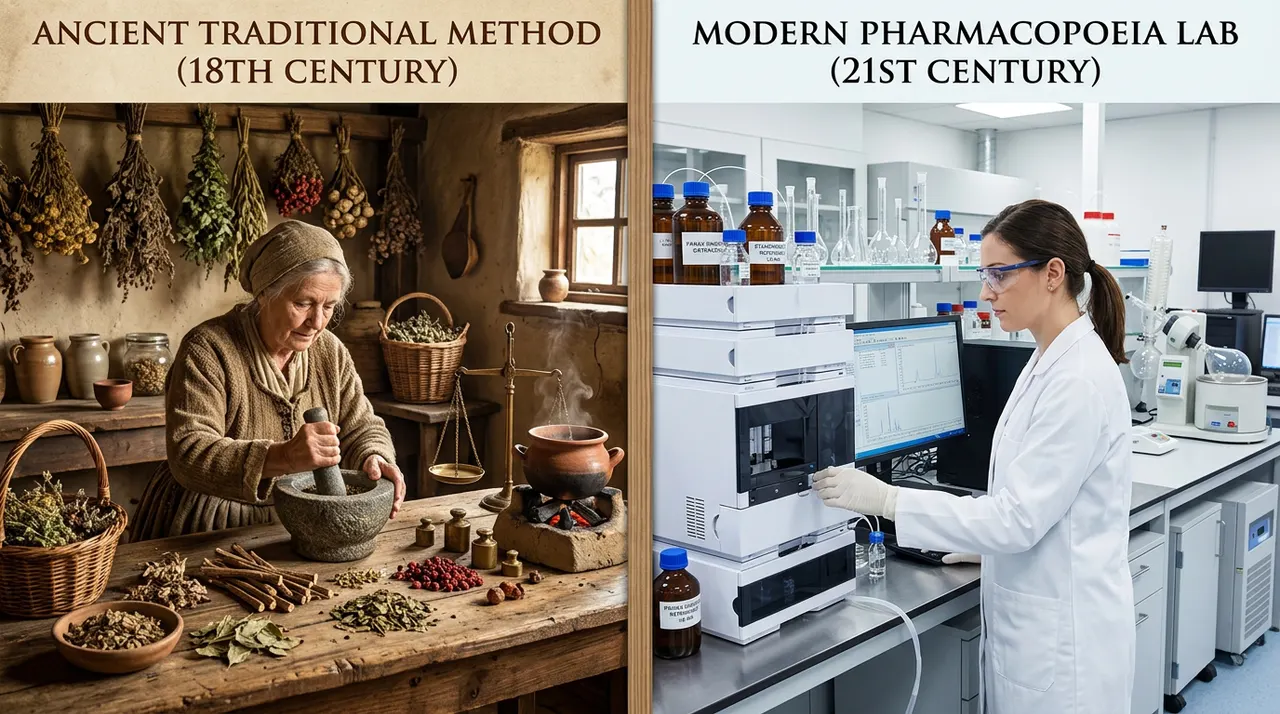
The volatile oil of Zhiqiao is rich in aromatic components like D-limonene and linalool. They are the heroes in regulating Qi and relieving bloating, but they also have a certain degree of irritation. To explore whether different processing methods affect its safety, researchers conducted rigorous acute toxicity studies. The results showed that whether Zhiqiao was sliced according to the unified national standard of the *Chinese Pharmacopoeia*, or processed using the unique, highly crafted local Jiangxi school "Zhangbang method," the volatile oil extracted from them did not cause the death of experimental mice in acute toxicity tests, nor were there any obvious poisoning symptoms.
This result undoubtedly provides reassurance. But under the grand premise of safety, are they different? The precise component analysis of GC-MS gives the answer. Although the overall chemical composition of the volatile oils from both is similar, dominated by D-limonene, the content of relatively volatile components like D-limonene in the Zhiqiao processed by the "Zhangbang method" is slightly lower. This is because the "Zhangbang method" requires a "moistening" process of the herbs lasting for months before slicing. This time-consuming and labor-intensive traditional technique not only makes the Zhiqiao slices as thin as "flying clouds" but also imperceptibly makes the fierce and drying nature of its volatile oil gentler and smoother.

In this drop of Zhiqiao volatile oil, we see the rigorous specifications of the modern Pharmacopoeia and pay tribute to the exquisite craftsmanship of the local processing school "Zhangbang." No matter which method is used, their ultimate goal is to precisely and gently deliver nature's safest aromatic energy to every life that needs it.
Reference PDF for study; cite the published version.