
popular-science
The Analgesic Wonder Grass on the Prairie: First Unveiling of the Volatile Oil in "Cymbaria daurica"
Cymbaria daurica is a common folk analgesic herb, but its material basis has been a mystery. Scientists first used GC-MS to identify 31 volatile components, finding the scientific basis for its anti-inflammatory and analgesic effects.

On the vast prairies of northern China grows an Orobanchaceae plant named Cymbaria daurica. In folk medicine, ordinary people often use it to brew water or crush it for external application to treat toothaches, rheumatic joint pains, and traumatic injuries.
Although its pain-relieving effects have been passed down by word of mouth, modern medicine had never completely figured out: what exactly is the "painkiller" hidden inside this seemingly ordinary wild grass? To unravel this mystery, researchers locked their eyes on its volatile oil.
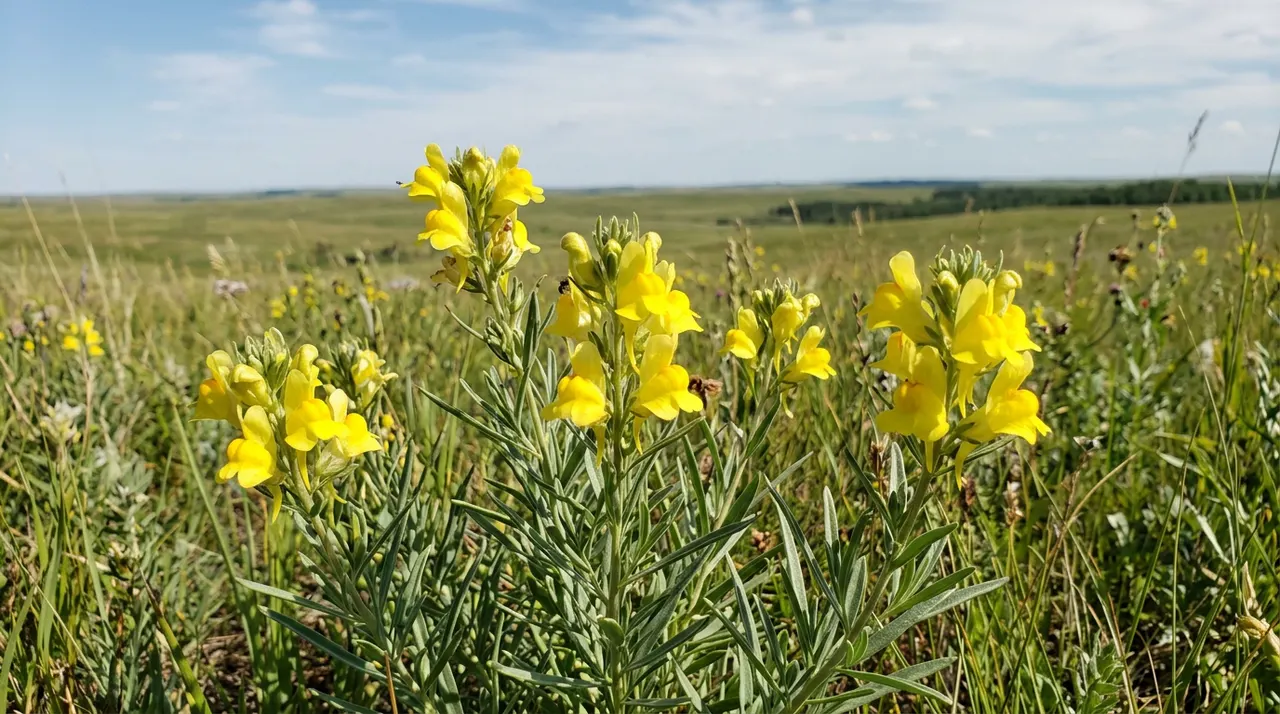
The First Comprehensive Essential Oil Expose
Because it is a relatively obscure local herb, academic research on its volatile oil components was almost blank. Researchers harvested the whole plant of Cymbaria daurica and extracted essential oil emitting a specific odor using hydrodistillation.
Subsequently, they utilized a Gas Chromatography-Mass Spectrometer (GC-MS) to conduct an extremely detailed "component scan" on this bottle of essential oil.
The Analgesic Alliance of 31 Molecules
The results were a pleasant surprise: from this whole-plant volatile oil, scientists separated and identified a total of 31 chemical components (accounting for 80.94% of the total volatile oil).
Among these components, several substances attracted immense attention from pharmacologists. For example, some unique ketones and aromatic compounds (like specific naphthyl ketone derivatives or long-chain alcohols). In modern pharmacology, this type of volatile molecule often has extremely strong lipid solubility, able to rapidly penetrate the skin or cell membranes and act directly on targets at nerve endings or inflammation sites. They act like a microscopic "firefighting team," able to effectively inhibit the release of inflammatory factors in the body, thereby exerting significant anti-inflammatory and analgesic effects.

From Folk Remedy to Scientific Calling Card
This research not only fills the academic gap in the field of volatile oil chemical components for Cymbaria daurica, but more importantly, it provides the most hardcore scientific endorsement for this commonly used folk herb.
Knowing exactly what components it contains, future pharmaceutical companies can target these core molecules to develop highly efficient and safe natural analgesic sprays or anti-inflammatory ointments, allowing this wild grass from the prairie to benefit more people suffering from pain.
Reference PDF for study; cite the published version.