
Research News
The Invisible Guardian of Skin Micro-ecology: Exploring the Balancing Beauty of Plant Essential Oils
The skin surface is a complex micro-ecosystem. With their unique ecological regulation wisdom, plant essential oils reshape the micro-ecological balance while providing antibacterial, anti-inflammatory, and antioxidant benefits, reawakening the skin's self-healing power.

Our skin is the largest organ of the human body and the first line of defense against external harm. However, under a microscope, this seemingly calm barrier is actually a bustling "microbial metropolis." Billions of bacteria, fungi, and viruses colonize and multiply here, interacting with and restricting our epidermal cells, collectively building a delicate and complex "skin micro-ecological environment."
When this micro-ecosystem is in balance, beneficial bacteria secrete antimicrobial peptides to fend off enemies, or produce anti-inflammatory substances to soothe the skin, keeping it healthy and radiant. But once this delicate balance is broken—whether due to environmental pollution, over-cleansing, or stress and lack of sleep—pathogens seize the opportunity to invade, leading to acne, allergies, eczema, and even accelerated skin aging.
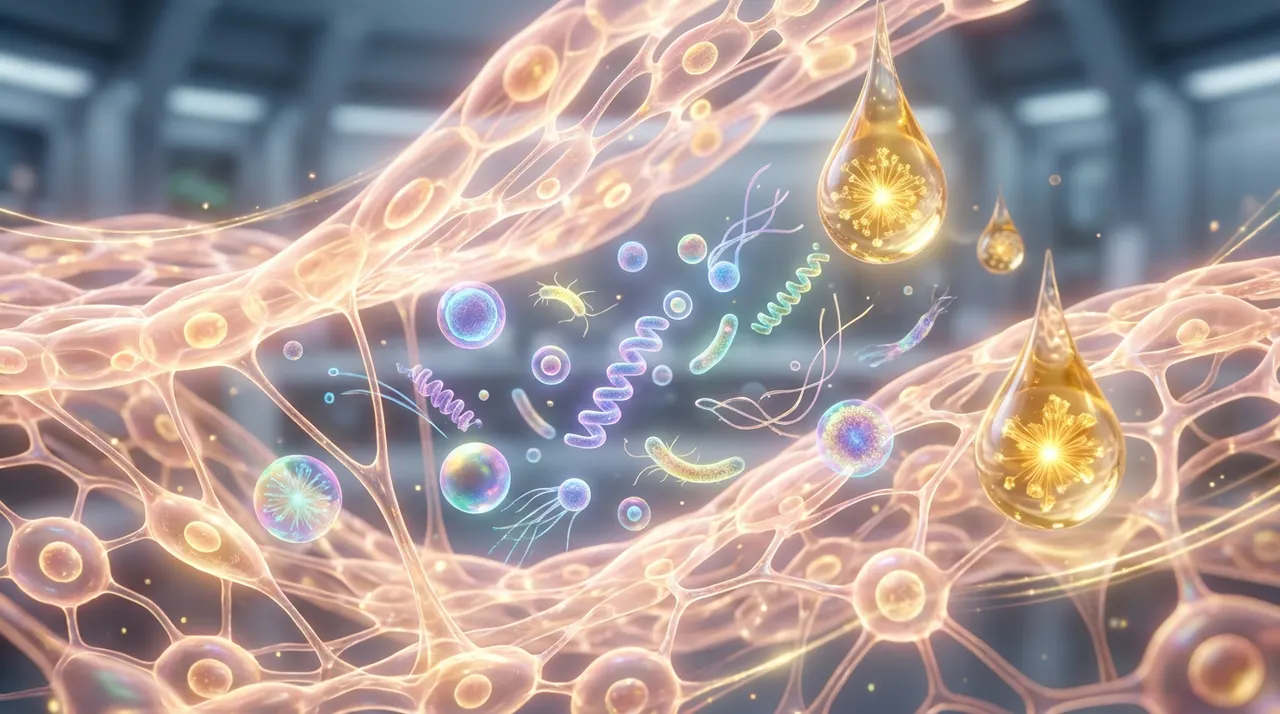
In the quest to repair the skin's micro-ecology, chemical bactericides are often a double-edged sword. While killing harmful bacteria, they indiscriminately slaughter beneficial ones as well, rendering the skin's ecology even more fragile. In this context, natural plant essential oils reveal their unique "ecological wisdom."
Unlike simple and brutal extermination, plant essential oils act more like master ecological regulators. Many aromatic plant extracts are rich in natural active components that are highly selective: on one hand, essential oils can effectively inhibit inflammation-causing bacteria like Staphylococcus aureus or Propionibacterium acnes; on the other hand, they protect or promote the survival of the skin's native probiotics. Through this bidirectional regulation, essential oils help the skin rebuild its original peace and order.
In addition to regulating microbial communities, essential oils perform stunningly in combating skin oxidation and inflammation. When the skin is subjected to external stimuli, the body produces excessive free radicals, which accelerate collagen loss and skin aging. Essential oil molecules rich in phenolic hydroxyl groups are natural free-radical catchers; they can quickly neutralize these destructive molecules, activate the skin's own antioxidant enzyme system, and hit the "preservation button" for the skin.
At the same time, the highly penetrating small molecular structure of essential oils allows them to easily cross the stratum corneum and reach the deep tissues where inflammation originates. By inhibiting the release of inflammatory factors, they effectively soothe discomfort such as redness and itching. On the microscopic battlefield of wound healing, essential oils not only maintain a sterile environment on the wound but also promote the proliferation of fibroblasts, accelerating the growth of new cells and tissue repair.
In this microscopic game of skin health, plant essential oils do not use fierce confrontation. Instead, using the gentle power endowed by nature, they reawaken the self-healing instinct of the skin's micro-ecology. It tells us that the true path to skincare is not endless deprivation and covering up, but finding the beauty of balance—coexisting with nature and living in harmony with our micro-ecology.
Reference PDF for study; cite the published version.
> Reference: > YING Peng-yun, HUANG Shi-yu, CHEN Li-hua, et al. Analysis of the characteristics of herbal volatile oil based on skin micro-ecological environment[J]. Chinese Traditional Patent Medicine, 2021, 43(8): 2141-2145.