
Research News
Seeking Fragrance to Guide Medicine: The Wonderful Journey of Essential Oils Entering the Body
Essential oil molecules are extremely small, lipophilic, and volatile. From reaching the brain directly via the nasal cavity to quietly penetrating the skin and being deeply absorbed in the digestive tract, explore the multi-dimensional journey of plant essential oils within the human body.

Since ancient times, fragrance has shared an indissoluble bond with medical care and wellness. The ancients burned incense to ward off epidemics and wore scented sachets, believing that aromas could "clear the meridians and penetrate the bones." Through the lens of modern medicine, this mystical "aromatherapy" has long shed its metaphysical veil. Scientists have discovered that the miraculous therapeutic effects of aromatic herbal essential oils are largely due to their unique chemical structures and ingenious routes of administration.
Plant essential oils are a group of "little elves" wandering on the boundary between matter and gas. They have extremely small molecular weights and are both lipophilic and volatile. It is precisely these physical characteristics that grant essential oils the ability to embark on a multi-dimensional, marvelous journey within the human body.
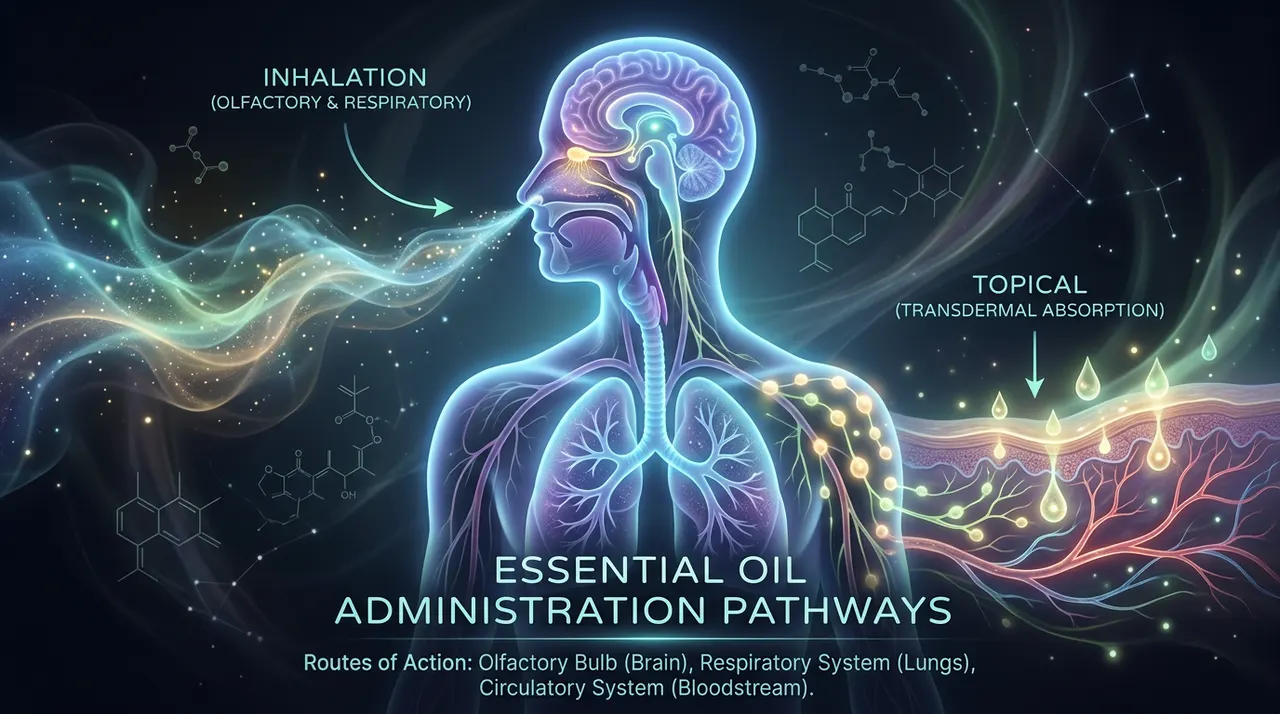
The most intuitive absorption channel is undoubtedly our olfactory system. When you take a deep breath of the scent of lavender or borneol, the aromatic molecules don't just stay in your lungs. Like well-trained messengers, they quickly bind to olfactory receptors at the top of the nasal cavity, transmitting electrical signals at millisecond speeds directly to the brain's limbic system—the core region that governs emotions, memory, and the endocrine system. This explains why certain scents can instantly soothe anxiety, improve sleep, and even regulate heart rate. At the same time, some small molecules can pass through the rich capillary network of the nasal mucosa, bypass the blood-brain barrier, and enter the central nervous system directly, opening a brand new door for the treatment of neurodegenerative diseases.
But the journey of essential oils goes far beyond this. When applied to the skin, the stratum corneum—normally a sturdy fortress—acts like an open door for them. Because of their lipophilic nature, essential oils can easily penetrate the lipid channels between epidermal cells, reach deep into the dermis, and then be absorbed by capillaries into the systemic blood circulation. Even more interestingly, essential oils can act as a "hitchhike," carrying other large-molecule drugs across the skin, making them a highly promising natural penetration enhancer in modern transdermal drug delivery systems.
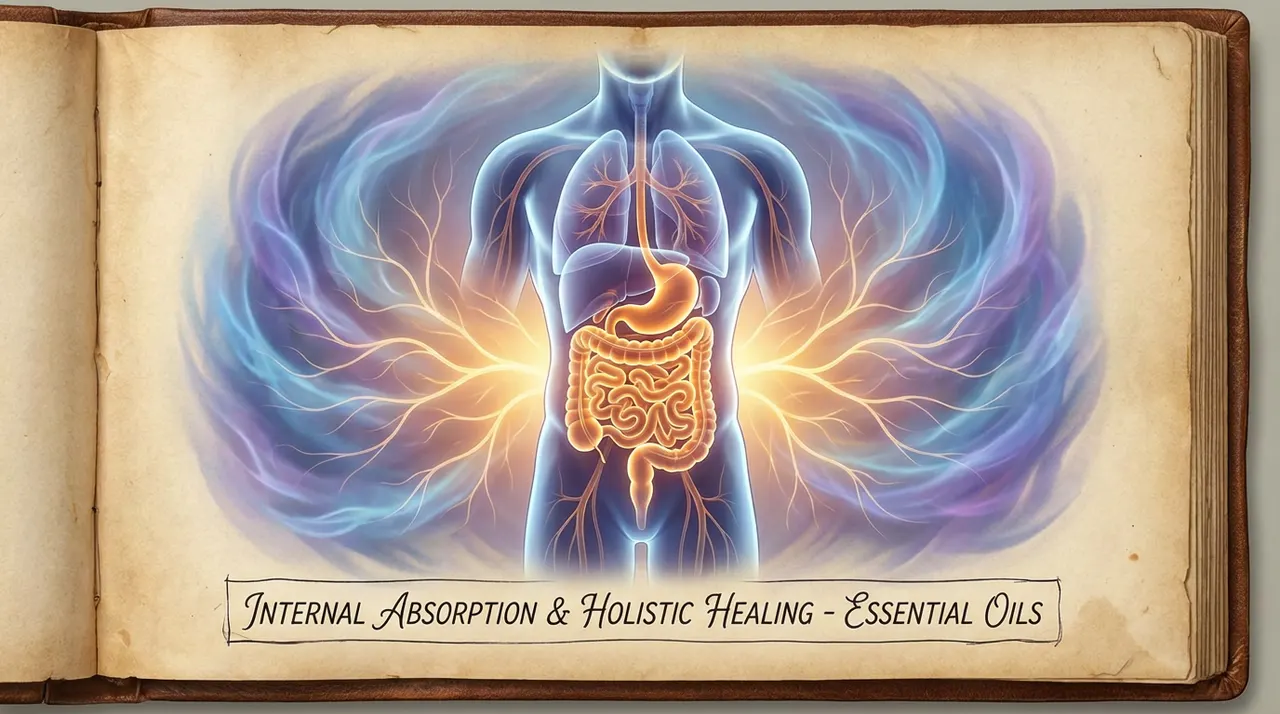
In addition to nasal inhalation and skin penetration, absorption through the oral cavity and digestive tract are also important ways for essential oils to exert their effects. For example, the oral mucosa is thin and highly vascularized; essential oils like clove and peppermint, used as mouthwashes or sprays, can not only quickly relieve local pain and kill oral pathogens but also bypass the first-pass effect of the liver to be absorbed directly into the bloodstream. And when encapsulated in special formulations (like enteric-coated capsules or nano-microemulsions), oral essential oils can safely reach the intestines for release, showing unique advantages in regulating gut microbiota, anti-inflammation, and analgesia.
"Seeking fragrance to guide medicine," this ancient and wise rule of medication is now being given a more precise definition by modern technology. From the "direct olfactory route" of the nasal cavity to the "quiet penetration" of the skin, and to the "deep absorption" of the digestive tract, plant essential oils demonstrate extremely rich and efficient drug delivery potential. They are not only a treasure trove of aromas gifted by nature but also a vital source of inspiration leading the future innovation of non-invasive, multi-target drug delivery technologies.
Reference PDF for study; cite the published version.
> Reference: > LUO Jing, WEI Zu-meng, LEI Zhi-qiang, et al. Research Progress on the Route of Aromatic Herbal Essential Oil Administration[J]. Journal of Jiangxi University of Traditional Chinese Medicine, 2021, 33(6): 120-124.