
cultural
From Field to Nose: The Safety Journey of Natural Spices
Natural does not always mean safe. Explore the rigorous safety journey of natural spices from standardized planting and supercritical extraction to global evaluation standards.

Whether it is a few drops of lavender essential oil in the bath or a hint of vanilla on a red-wine cake, fragrances and flavors have become as ubiquitous as air—intangible yet woven into modern life.
Yet amid the consumer trend toward "natural" and "plant-derived" products, many people assume that "natural" always means harmless. In truth, a single drop of pure, safe natural fragrance travels an extraordinarily rigorous safety journey from the seed in the soil to the scent that reaches your nose.
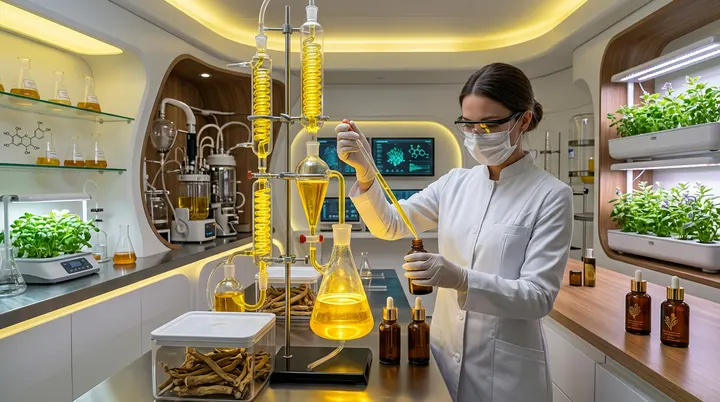
The first line of defense in the field
The safety of natural aromatics begins with the soil and environment in which plants grow. The fragrant parts of the plant and their active constituents depend not only on cultivar genetics but also on weather, soil heavy metals, pesticide residues, and surrounding industry.
To ensure safety, high-quality production often starts with regulated cultivation. Each plot needs traceability records. Harvest timing matters: flowers are picked at full bloom, fruit when fully ripe; harvesting avoids rainy days or dewy mornings to limit mold growth and harmful secondary metabolites in wet material.
After harvest, material moves quickly into washing and drying. Solar or microwave drying removes moisture promptly, locking in aromatic compounds while minimizing microbial risk.
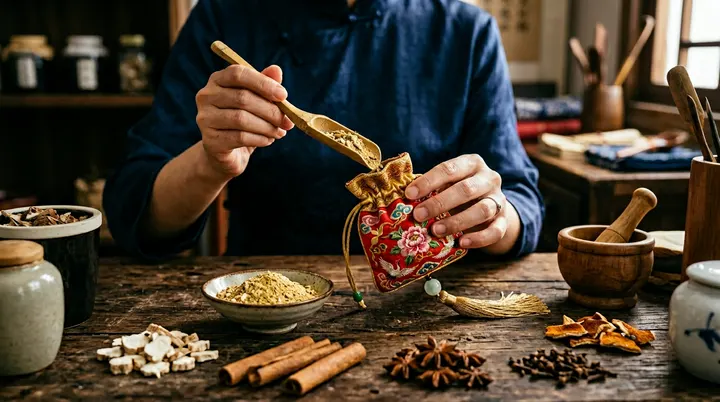
Extraction and evaluation: science defines safety
If cultivation and primary processing are a dialogue with nature, extraction and safety evaluation are pure scientific discipline.
Traditional distillation can degrade some aroma compounds at high temperatures. Increasingly, greener methods such as supercritical CO₂ extraction are used: they preserve authentic aroma at lower temperatures and avoid harmful solvent residues, improving purity and safety.
Extracts then face rigorous safety assessment. Internationally, bodies such as IFRA and FEMA set expectations; domestically, food-safety and cosmetic standards apply. Experts evaluate skin irritation, sensitization, phototoxicity, and even environmental effects on aquatic life. Only substances shown safe at defined use levels enter everyday products.
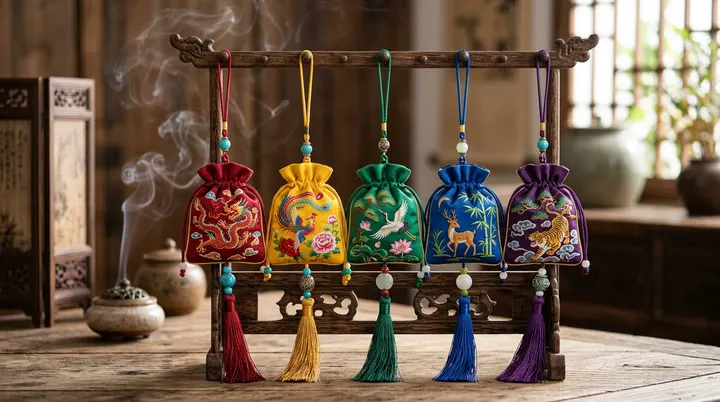
Respect for nature and respect for rules
Aromatics are among nature’s most generous sensory gifts. Yet as traditional medicine cautions, even natural substances demand moderation and discernment; careless use can hide risks. For example, furanocoumarins in some citrus oils are phototoxic and may require desensitization in formulations.
Thus truly high-quality natural aromatics are not only a concentration of nature’s essence but the product of human reason and regulation—from green fields with controlled residues to high-tech, residue-light extraction to harmonized global standards—all to ensure the fragrance that finally reaches your nose is pure, lovely, and reassuring.