
popular-science
The "Wall-Breakers" of the Skin Gate: The Transdermal Miracle of TCM Volatile Oils
Facing the dense skin barrier, TCM volatile oils, with their unique lipophilicity and small molecular structure, have become the most promising natural penetration enhancers in painless transdermal drug delivery systems.

In the exploration of medical science, how to deliver drugs into the human body more efficiently has always been a challenging subject. Oral medications often face the rigorous "first-pass effect" of the liver, while injections, though direct, are accompanied by pain. Consequently, scientists turned their attention to the body's largest organ—the skin. However, the dense stratum corneum of the skin acts like an impenetrable fortress, keeping many drugs out. It wasn't until TCM volatile oils entered the stage as "wall-breakers" that the research and development of topical preparations truly welcomed its spring.

TCM volatile oils, these extracted essences from aromatic plants, inherently possess agility and penetrating power. Composed mainly of small-molecule terpenoids, they are highly lipophilic. When they touch the skin, it's as if they hold the secret password to open the city gates. They ingeniously alter the arrangement of lipids in the stratum corneum, making it looser, thereby carving out unimpeded microscopic channels for macromolecular drugs.
Even more amazingly, compared to chemically synthesized penetration enhancers, TCM volatile oils show unparalleled advantages. They not only have high penetration-enhancing efficiency but also mostly possess their own pharmacological activities, such as antibacterial, anti-inflammatory, and analgesic effects. This means that while helping other drugs "break down the door," they are also playing a synergistic therapeutic role. This "multi-effect in one" characteristic makes volatile oils shine in TCM topical patches, gels, and ointments.
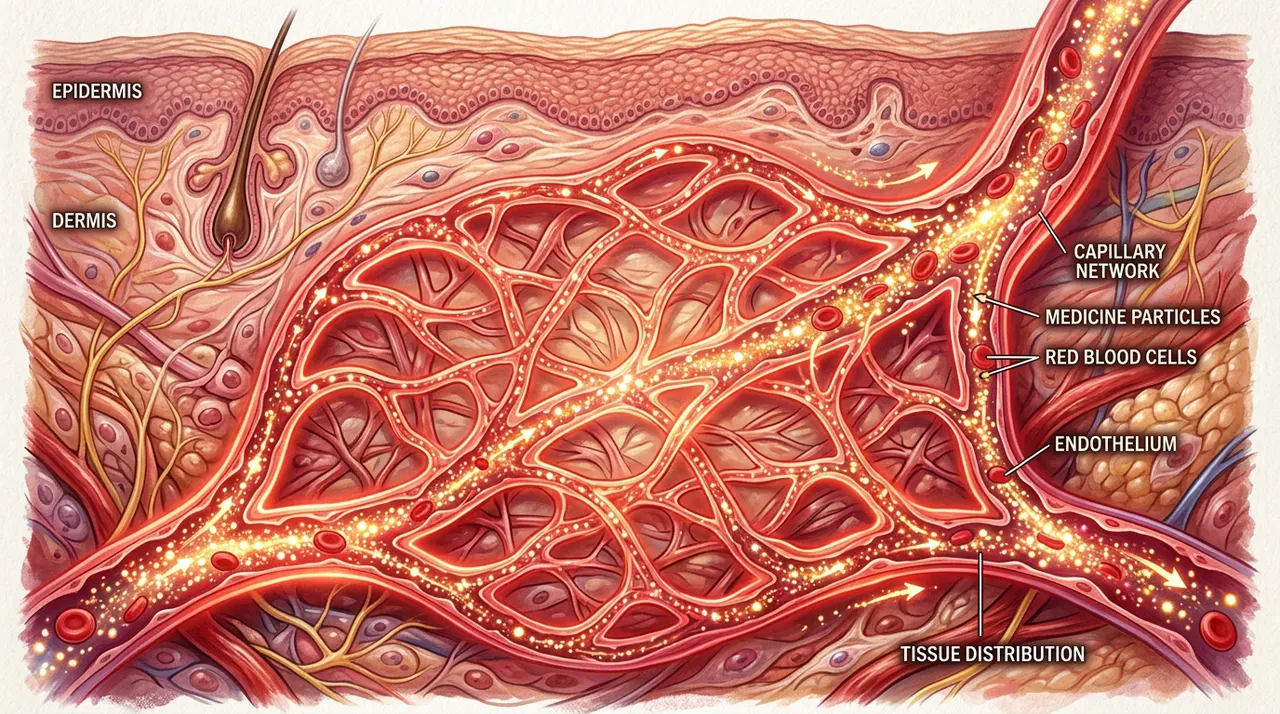
Although the application of TCM volatile oils in the field of transdermal absorption currently still faces challenges such as complex components and difficulties in quality control, this cannot stop the scientific community's enthusiasm for them. With the introduction of nanotechnology and novel carrier systems, the stability and penetration mechanisms of volatile oils are being conquered one by one. These "wall-breakers" from nature are drawing a magnificent blueprint full of infinite possibilities for painless and highly efficient transdermal drug delivery systems.
Reference PDF for study; cite the published version.