
popular-science
Saving the Lost Aroma: Uncovering the "Oil-Water Battle" in the Extraction of Acorus Essential Oil
When extracting Acorus essential oil, why do massive active components mysteriously disappear? Scientists discovered that these micro-molecules stage a complex "oil-water partition" rule in the extraction liquid, revealing the root cause of emulsification.

The volatile oil extracted from Acorus tatarinowii (Shichangpu) is an invaluable treasure in TCM used to treat neurological diseases like Alzheimer's and epilepsy (rich in α-asarone and β-asarone, which have orifice-opening and mind-awakening effects).
However, in the extraction workshops of pharmaceutical factories, a headache-inducing "ghost phenomenon" has always existed: when extracting Acorus volatile oil using hydrodistillation, the oil and water often mix together to form a white, turbid liquid (emulsification). This not only drastically reduces the essential oil yield, but those precious asarone components also seem to mysteriously disappear partially. Where exactly did they go?
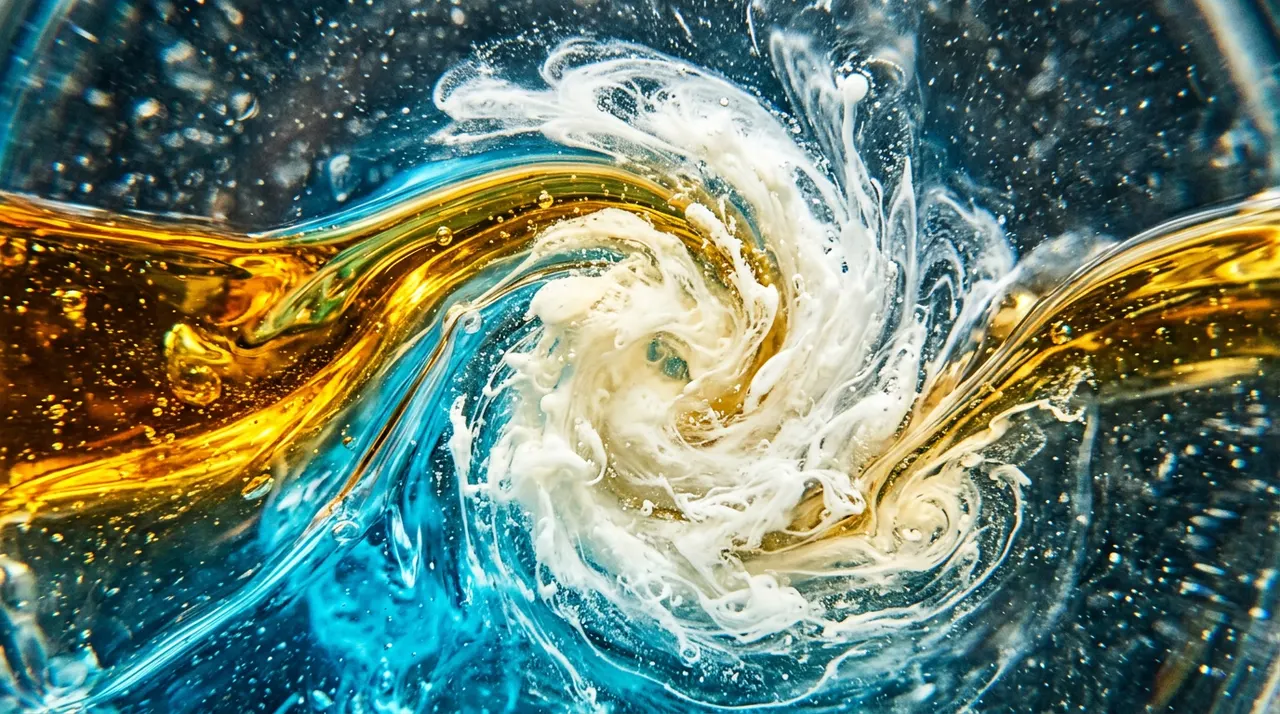
The "Taking Sides" Game of Aromatic Molecules
To find the missing essential oil, scientists used Gas Chromatography-Mass Spectrometry (GC-MS) to closely monitor both the "volatile oil" (upper floating oil) and the "aromatic water" (lower aqueous layer) during the extraction process simultaneously.
The research uncovered an "oil-water battle" in the microscopic world: volatile components do not go 100% into the oil layer during extraction. Instead, they redistribute themselves between oil and water according to their own "polarity" and "water solubility."
- Terpenes (like various hydrocarbons): These molecules hate water extremely (strongly lipophilic), and almost all obediently take the side of the "oil layer." - Oxygenated derivatives (especially molecules with hydroxyl or ether bonds): This is where the trouble lies; they can dissolve in oil but also have a certain affinity for water. The most core therapeutic component of Acorus—asarone—is exactly this type of substance!
Shocking Water-Soluble Loss and the True Culprit of Emulsion
The data makes one gasp: in the "aromatic water" produced by distillation, β-asarone and α-asarone actually account for 70% to 80% of the total components in the water layer!
This means that because asarone itself has weak water solubility, coupled with the high-temperature boiling and strong condensation process, these polar molecules act like surfactants, forcibly pulling some oil droplets into the water, thereby triggering severe "emulsification." Pharmaceutical factories thought they were just throwing away wastewater, but they were actually pouring away the most expensive core essence of Acorus!
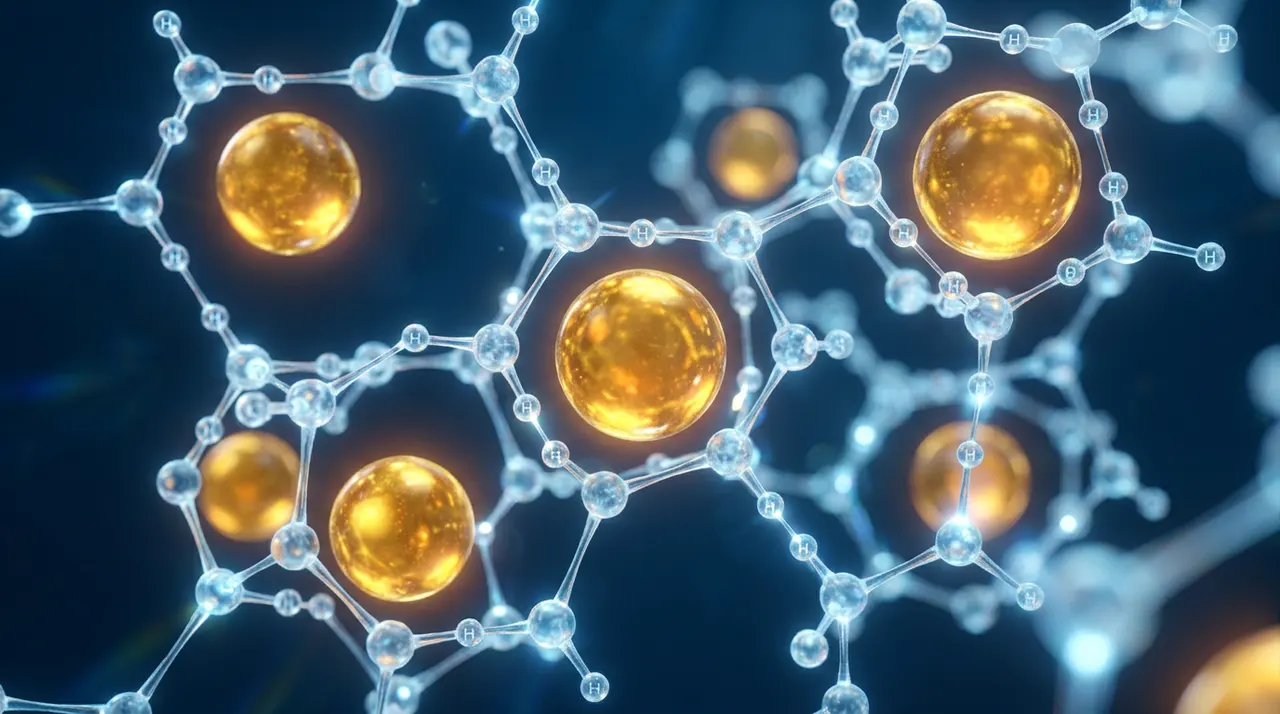
Demulsification and Recovery: Securing Every Drop
This precise research on material partition rules thoroughly awakens the TCM pharmaceutical industry.
It clearly warns us: when extracting Acorus and similar herbs rich in polar volatile substances, we absolutely cannot just collect the oil on top and throw away the water below. Industry must introduce "demulsification" technologies (such as salting out, freezing centrifugation, or using polymer membrane separation) to forcibly break the bond between asarone and water molecules, "forcing" the active ingredients dissolved in the aromatic water back into the oil layer, truly ensuring every drop is secured.
Reference PDF for study; cite the published version.