
popular-science
Locking in the Refreshing Coolness: The Scientific Counterattack of Cutting Fresh Mentha
Traditional TCM processing requires Peppermint to be "shade-dried" before "cutting". But modern science proves that breaking tradition and cutting Mentha while fresh can more perfectly retain precious volatile oils like menthol!

Mentha (Peppermint), with its unique cooling aroma, is a star in TCM for "dispersing wind-heat, clearing and benefiting the head and eyes." The source of this cooling sensation is the Menthol and volatile oil richly contained in mint leaves.
According to the traditional rules of the Chinese Pharmacopoeia, harvested mint must first be "shade-dried" in a cool place, and once the moisture is completely gone, it is then "cut into sections." However, with the development of modern pharmaceutical concepts, a new process called "cutting while fresh" has begun to challenge this ancient rule.
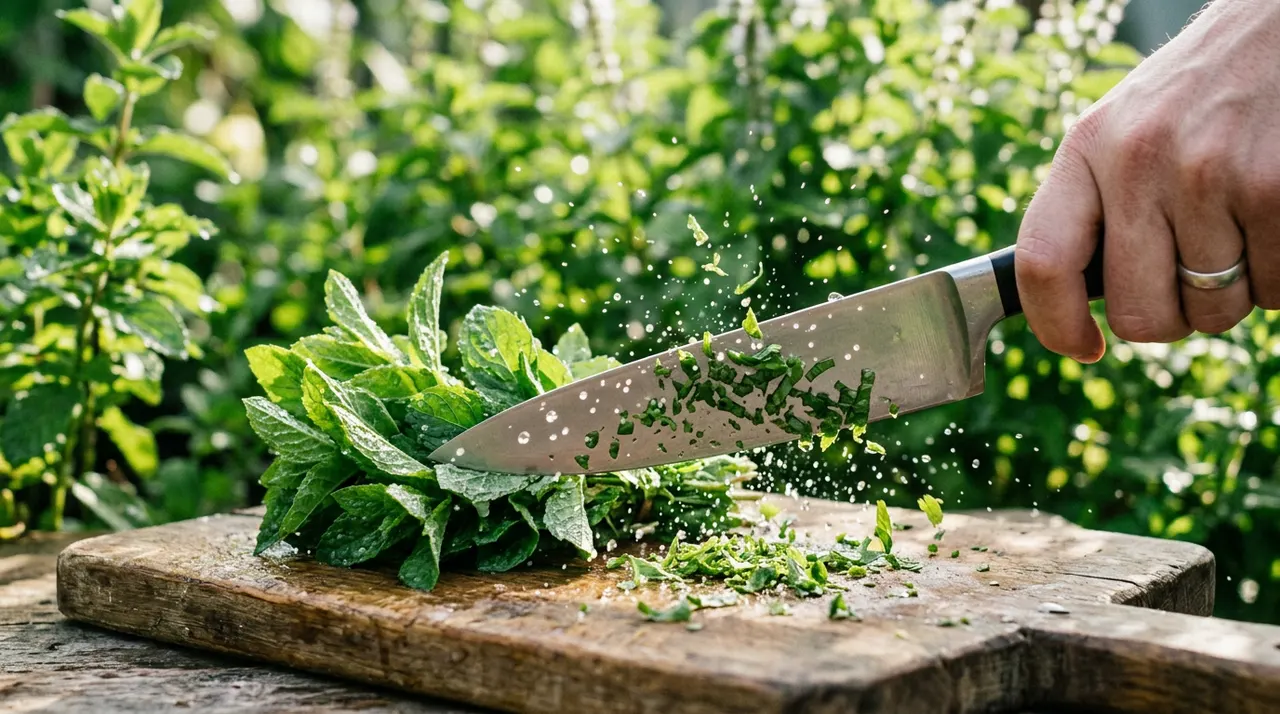
The Pain Point of Tradition: The Volatility Crisis of Secondary Fragmentation
The traditional "dry first, cut later" process has a fatal weakness: shade-dried mint leaves become extremely brittle. During machine cutting, the originally intact leaves are easily shattered into powder.
This severe physical fragmentation greatly destroys the plant's oil chamber structure. The highly volatile menthol rapidly escapes into the air as the crushed powder creates a massive exposed surface area, leading to a greatly compromised aroma and efficacy of the final medicinal material.
The Perfect Data of Fresh Cutting
To verify the feasibility of "cutting while fresh," researchers used Gas Chromatography (GC) and volatile oil extraction devices to rigorously compare mint samples under both processes.
The data beautifully won this duel: Mint processed using the "fresh-cut then dried" method had significantly higher ultimate menthol content and total volatile oil than the traditional "dry-cut" process.
Why is this? Because cutting when the plant is fresh and cells are full of water provides good leaf toughness and smooth cuts without producing massive amounts of fragmented powder. Subsequent slow dehydration at lower temperatures (such as 40°C baking or shade drying) acts like zipping up a zipper, better locking the aromatic essential oils inside the plant tissues.
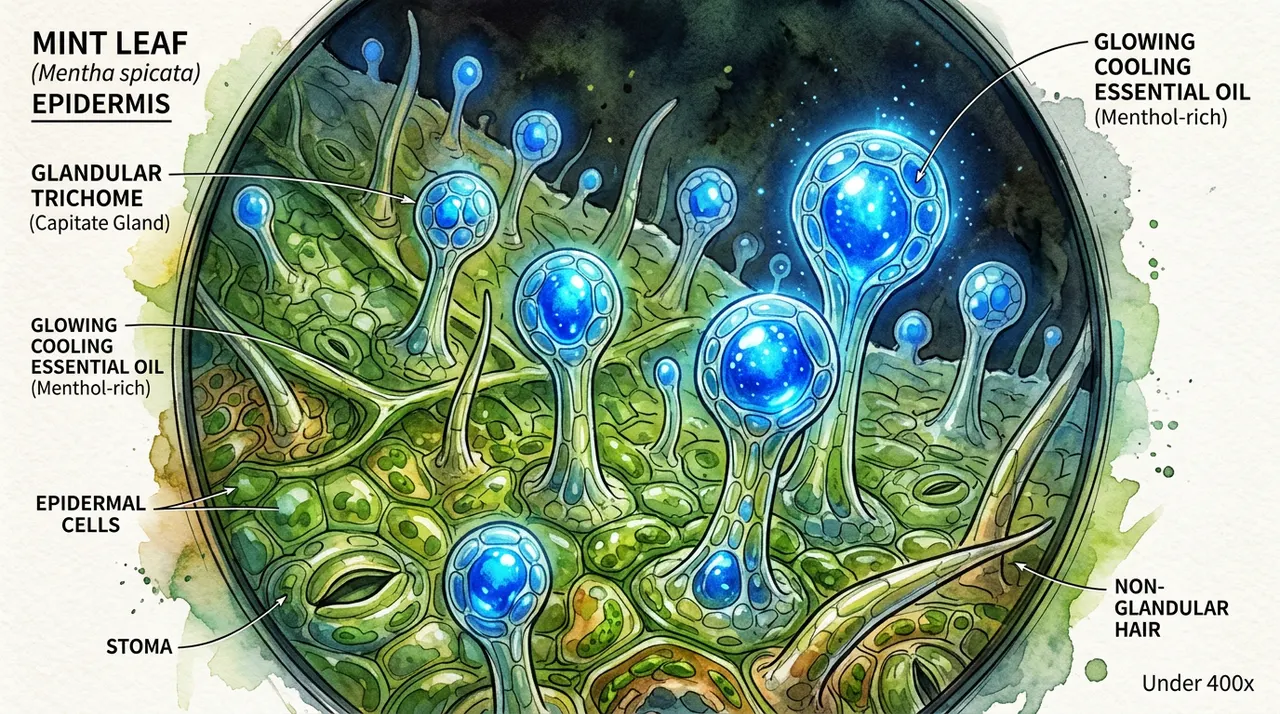
Prelude to Pharmacopoeia Innovation
This research not only provides an extremely efficient new scheme for the origin processing of mint but also provides solid experimental evidence for the future inclusion of "Mentha fresh cutting" standards in the Chinese Pharmacopoeia revision.
"Processing while fresh" not only saves the mildew and loss caused by transporting raw herbs back and forth between origins and processing plants but also uses the most direct physical method to guard the purest refreshing coolness bestowed upon us by nature.
Reference PDF for study; cite the published version.