
cultural
Seeking Incense (Part 4): Qianlong Luxury and Qing Incense Culture
Qianlong pushed the incense system to the peak of national etiquette. Recipes like Wubu Tibetan Incense perfectly integrated diverse cultures.

After Kangxi’s curiosity and Yongzheng’s precision, Qianlong inflated court incense into state theater—the most symbol-laden prop in Qing ritual.
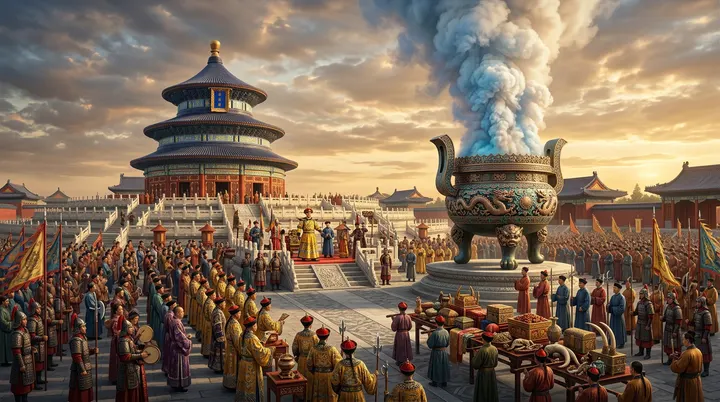
Qianlong: splendor as national etiquette
If Yongzheng’s incense was inward and exact, Qianlong’s was outward and maximal. Spice became the emblem of imperial order and divine mandate.
Temple of Heaven records describe tons of fine agarwood, *dalbergia*, and “quick incense” for major rites. Offerings differed sharply by shrine: the imperial ancestral temple might consume top agarwood by the tens of jin yearly; other altars stepped down in grade. That ladder of smoke encoded Zongfa ethics—rank made visible in ash and vapor.
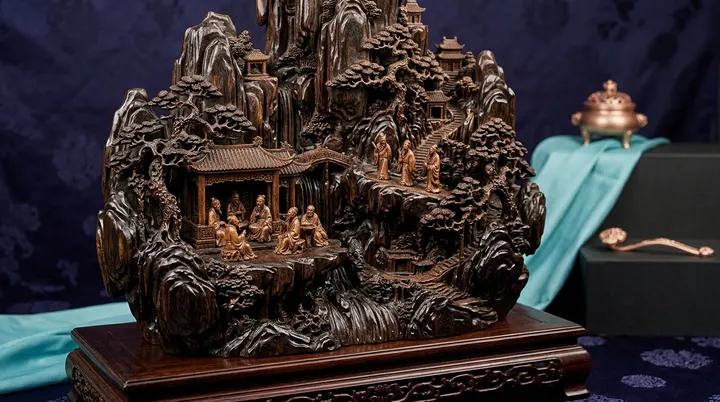
Beyond sacrifice, Qianlong championed agarwood sculpture. Workshops carved precious “kynam” blocks into tableaux such as “Nine elders on Fragrant Hill”—literati romance at imperial expense. Such pieces crown Qing censer and carving history.
Tibetan-blend incense and the maritime silk road
Qing incense also swallowed many worlds. The court recipe “Wubu Tibetan incense” mixed Inula root, five kinds of dried twigs, tea, gold leaf, powdered gems, grain flours—dozens of ingredients—Tibetan offering, Han burning, Daoist five-phase logic, and herbal pairing in one astonishing braid: a true synthesis of Chinese scent culture.
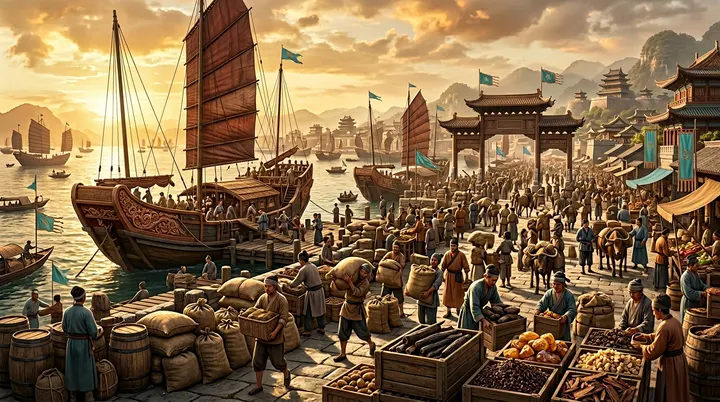
That empire of aroma rested on tribute and sea trade. From Tang to Qing, Somali frankincense, Arabian ambergris, Southeast Asian agarwood—forest to Guangzhou or Quanzhou, then to the Forbidden City’s pharmacy and workshops. Spices were commodity and diplomacy: “generous outbound, modest inbound” gifts that bound periphery to throne.
From Qin–Han smoke for the gods to Ming–Qing ritual excess, two millennia of royal incense trace China’s fear of heaven, Tang breadth, Song leisure, Ming law—and finally Qing’s layered splendor. Every vanished plume still whispers a civilization’s wish for a life well scented. *(End.)*