
cultural
Seeking Incense (Part 3): Kangxi Pragmatism and Yongzheng Aesthetics
Kangxi preferred Western spices and focused on medicinal functions. Yongzheng had strict artisan requirements for the color, form, and aroma of incense.

Under Kangxi, Yongzheng, and Qianlong, Qing “high Qing” glittered—and three generations of emperors wore very different scents, much like their governing styles, etched in workshop archives.
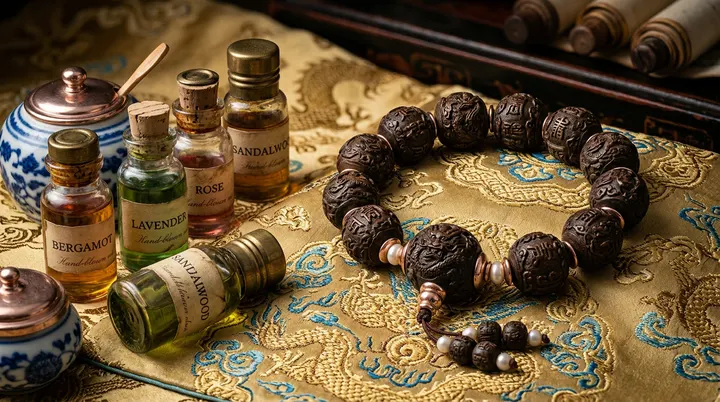
Kangxi: pragmatism and Western “medicinal” fragrance
The young emperor who pacified the realm brought curiosity and utility to scent. He prized prevention and therapy—incense as pharmacy against plague, palpitations, and more.
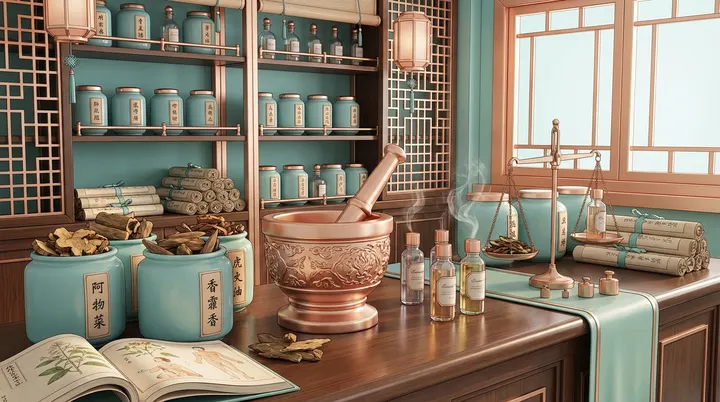
Jesuit channels introduced formulas such as “Balm of Peru for avoiding wind.” Kangxi welcomed synthesis: Chinese ambergris and musk met cardamom oil, clove oil, and other Western notes in court blends. He kept storax and similar aromatics as standing remedies—“treat not-yet-ill” thinking ahead of his time. For him, scent was not ornament but shield.
Yongzheng: the perfectionist “scent designer”
If Kangxi was the engineer, Yongzheng was the aesthete. Color, shape, vessel, and note faced near-obsessive standards.
The workshop’s “pill medicine atelier” produced treasures like the summer cooling aromatic beads—sandalwood, *ligusticum*, borneol, rose petals, cinnabar, realgar, and more—a classical formula in wearable form: pleasing to smell, active through skin. Function and beauty merged.
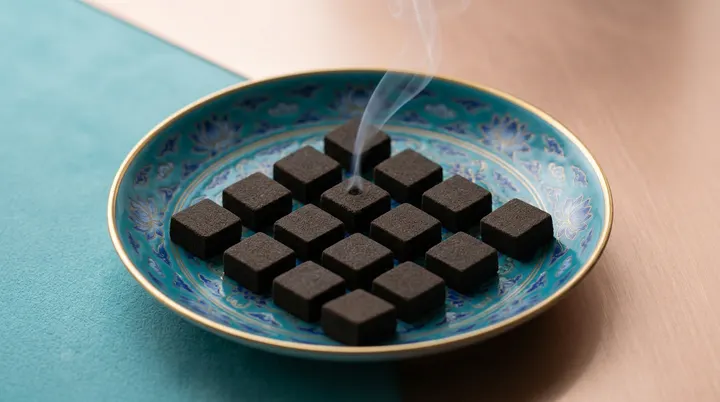
When Western priests offered new scents, Yongzheng did not simply adopt them: he ran blind comparisons against Kangxi-era replicas and judged the old recipe superior. He demanded nine hundred identical “grand palace” cakes—obsession with scale and sameness as signature Yongzheng craft.
From pragmatic medicinals to jeweled beads and geometric cakes, Qing court incense reached a new pitch of refinement under Yongzheng. *(To be continued.)*