
cultural
The Millennium Wisdom of Oriental Aromatherapy
Tracing the roots of aromatherapy back to ancient Chinese herbal medicine and the holistic approach to health and wellness.

In noisy cities, a drop of rose oil or a breath of lavender before sleep often feels “Western.” Yet the East has woven aromatic plants into life for millennia. This is a journey through time—to see Chinese “aromatic healing” on its own terms.
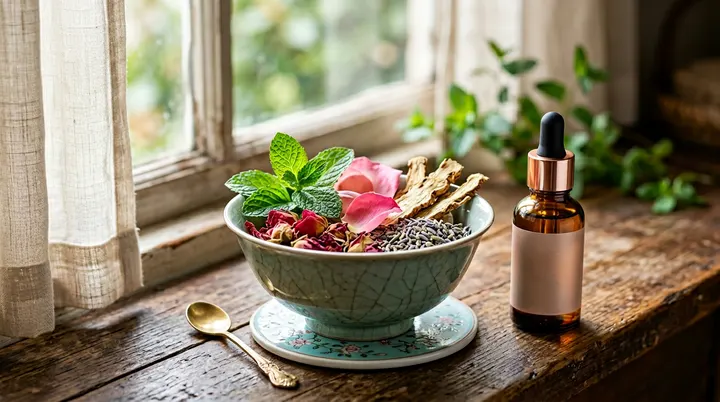
A Western word, an Eastern root
“Aromatherapy,” coined by French chemist René-Maurice Gattefossé (1928), names the use of volatile plant oils by inhalation or topical application to support body and mind. But systematic, theory-guided use of fragrant materia medica in China reaches back some 3,500 years.
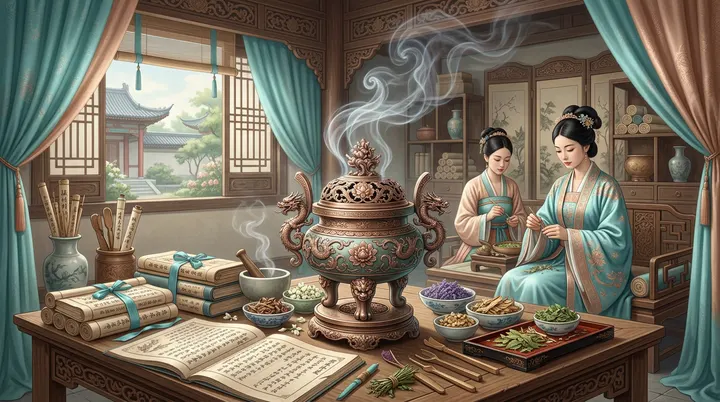
Oracle bones of the Shang already carry the character for “fragrance”; court rites used aromatic herbs to sacrifice and to purify space. *Shen Nong’s Classic* lists 365 medicinals—many aromatic—among the upper grades (for example asarum, calamus, costus, musk), valued for healing and for ritual imagination. Li Shizhen’s *Compendium* gathers well over a hundred fragrant entries, overlapping much of today’s aromatherapy palette.
Across diet, cosmetics, environment, mood, and warding off foul air, scent has never been a niche hobby—it was daily culture.
From qi to spirit: a holistic lens
Western-style practice often foregrounds chemistry; Chinese aromatic tradition keeps wholeness and pattern in view—body networks and the “spirit” soothed by smell.
Fragrant herbs carry flavors and thermal natures in TCM terms: Move qi and ease constraint: rose, osmanthus, sandalwood, agarwood—like qi-regulating medicinals, they help channels and mood. Clear heat and drain fire: jasmine, chamomile, tea tree—cooling, calming, anti-agitation. Dispel cold and damp: clove, cinnamon, ginger—warming from within on cold days.
Worn in sachets, applied, burned, or steamed, the old phrase “fragrance nurtures spirit” names the bridge between person and world.
Six senses, one path
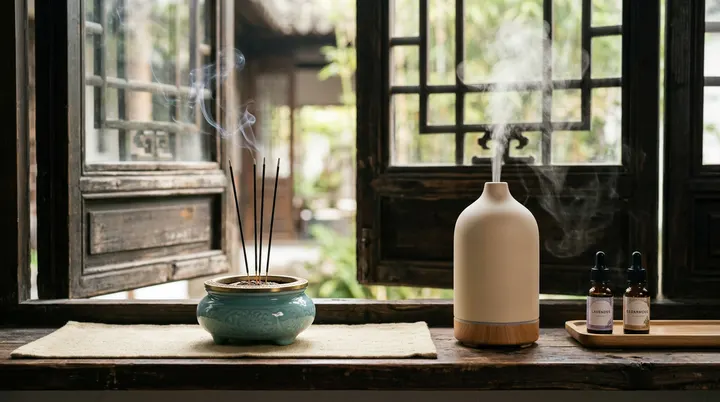
Broadly, Chinese aromatic healing is “six senses as one”: scent, sight, sound, touch, taste in herb tea, and inward clarity.
When we drop sweet orange or rosemary into a diffuser today, we may sense both relaxation and a thread back to Shen Nong tasting hundreds of herbs—the oldest gift of fragrance. It is care for the body and, quietly, conversation with the materia medica.