
cultural
Seeking Incense (Part 2): Song Literati Aesthetics and Ming Court Regulations
Incense culture peaked in the Song Dynasty with literati involvement. The Ming Dynasty strictly incorporated royal incense use into the national ritual system.

After the Tang’s magnificent clouds, the Song brought a quieter turn—refined, personal, and intensely aesthetic.
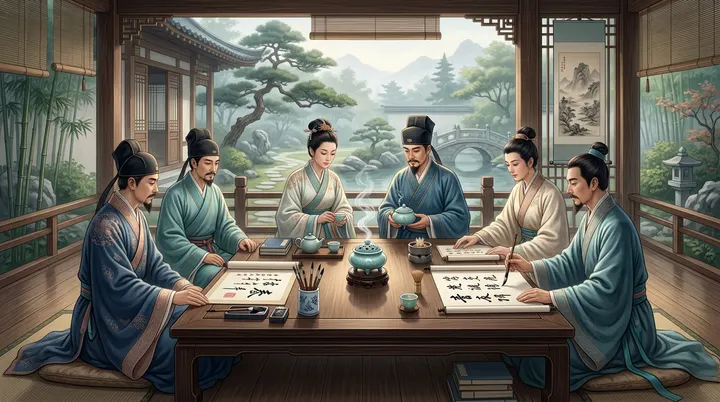
Song: from reverence to “pleasing oneself”
The Song is often called the high summer of Chinese incense culture. Maritime trade supplied a hundred imported aromatics; the real revolution was full literati participation.
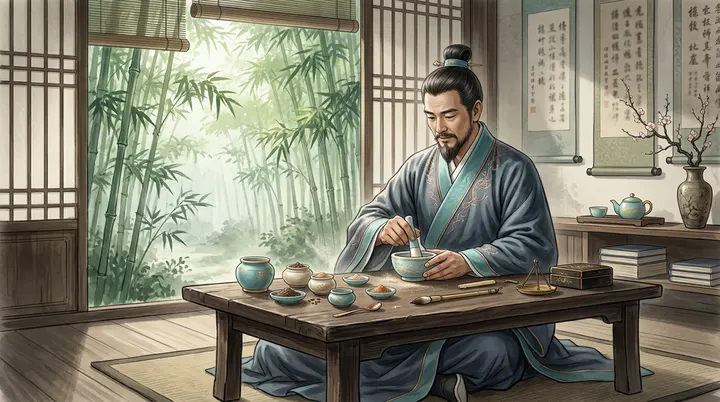
Incense turned from serving spirits to cultivating the self. The Song paired “burning incense, whisking tea, hanging paintings, arranging flowers” as the four elegant pastimes—a summit of taste. Scent drifted into studies, bedchambers, and banquets: reading, rain-listening, tea parties—all scented. Huang Tingjian, Su Shi, and peers wrote formulas, dialed signature notes, and exchanged them as gifts—“incense friendships” of rare courtesy.
Ming: censers inscribed with state ritual
After Song exuberance, the Ming centralized power and codified court incense as never before.
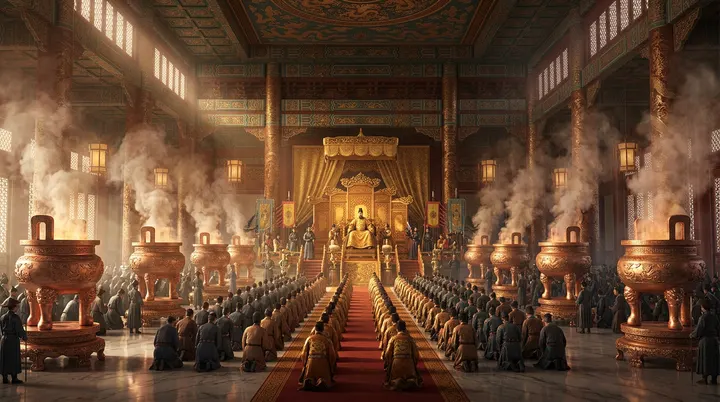
If Song incense was free and poetic, Ming incense was orderly and severe. Palace and sacrifice prescribed species, grades, and quantities by hall, rite, and rank—lines no one casually crossed. Aroma left private enjoyment and became a material emblem of political order.
Incense also lubricated tribute: Southeast Asian pepper, agarwood, and more entered the Ming economy as royal gifts, salaries, even quasi-currency—“imperial favor” made tangible. The “three friends of the censer” (burner, box, bottle) grew ever finer—utility braided with the Ming court’s visual theology of ritual.
From Song leisure to Ming severity, incense culture swung between grace and law—and grew only deeper. *(To be continued.)*